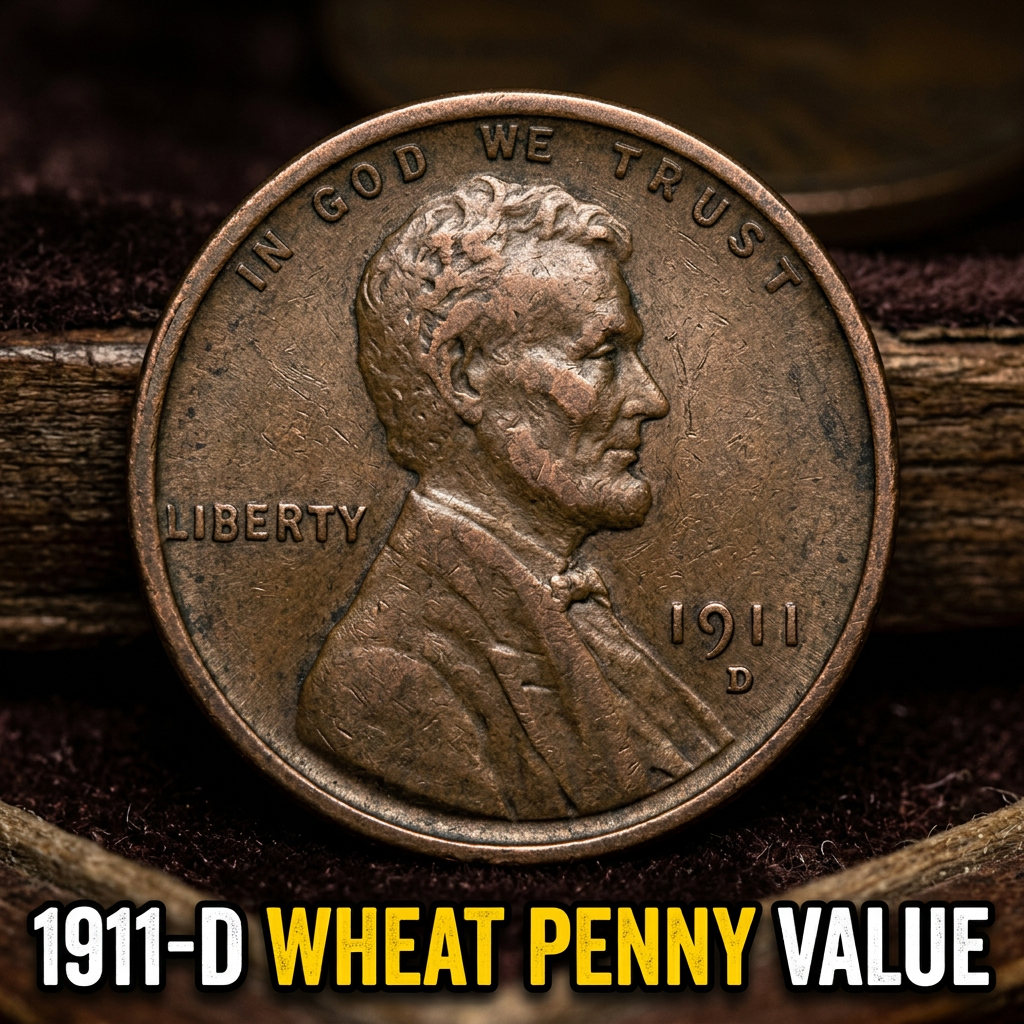

The 1911-D Wheat Penny is worth anywhere from $3 in heavily worn condition to well over $150 in high-grade mint state — and certain rare examples have sold for hundreds of dollars at auction. If you found one of these old pennies in a jar, a drawer, or inherited collection, you’re in the right place. Let’s break down exactly what this coin is worth and why.
What Makes the 1911-D Wheat Penny Special
The 1911-D Wheat Penny was struck at the Denver Mint in 1911, during the early years of the Lincoln cent series. The “D” mintmark sits just below the date on the obverse (front) side of the coin. This was still a relatively new design at the time — Victor David Brenner’s iconic portrait of Abraham Lincoln had only debuted on the cent in 1909.
Denver Mint production for the 1911-D totaled about 12.67 million coins. That’s not a tiny number, but it’s significantly lower than Philadelphia’s output the same year, which gives the “D” mintmark version a bit more collector appeal.
If you want to quickly identify your coin at home, you can use a free coin identifier app on your phone. These tools can help you confirm the mintmark, date, and even give you a rough estimate of condition before you dig deeper into the value.
1911-D Wheat Penny Value by Grade
The value of a 1911-D Wheat Penny depends heavily on condition. Coin collectors use a grading scale from 1 to 70, but for everyday purposes, it helps to think in simpler terms: poor, good, fine, extremely fine, and uncirculated.
Here’s a general breakdown of what the 1911-D Wheat Penny is worth across different grades:
| Grade | Description | Estimated Value |
|---|---|---|
| Good (G-4) | Heavy wear, outline visible | $3 – $6 |
| Very Good (VG-8) | Moderate wear, main details show | $6 – $12 |
| Fine (F-12) | Even wear, clear lettering | $12 – $22 |
| Extremely Fine (EF-40) | Light wear on high points only | $35 – $60 |
| About Uncirculated (AU-58) | Slight wear, nearly full luster | $65 – $100 |
| Mint State (MS-63+) | No wear, original mint luster | $120 – $300+ |
For more detailed auction records and certified mint state pricing data for the 1911-D Wheat Penny in red designation, it’s worth checking a dedicated price tracking resource. Red-designated (RD) examples — meaning they’ve retained most of their original copper luster — command the highest premiums.
How to Grade Your 1911-D Penny at Home
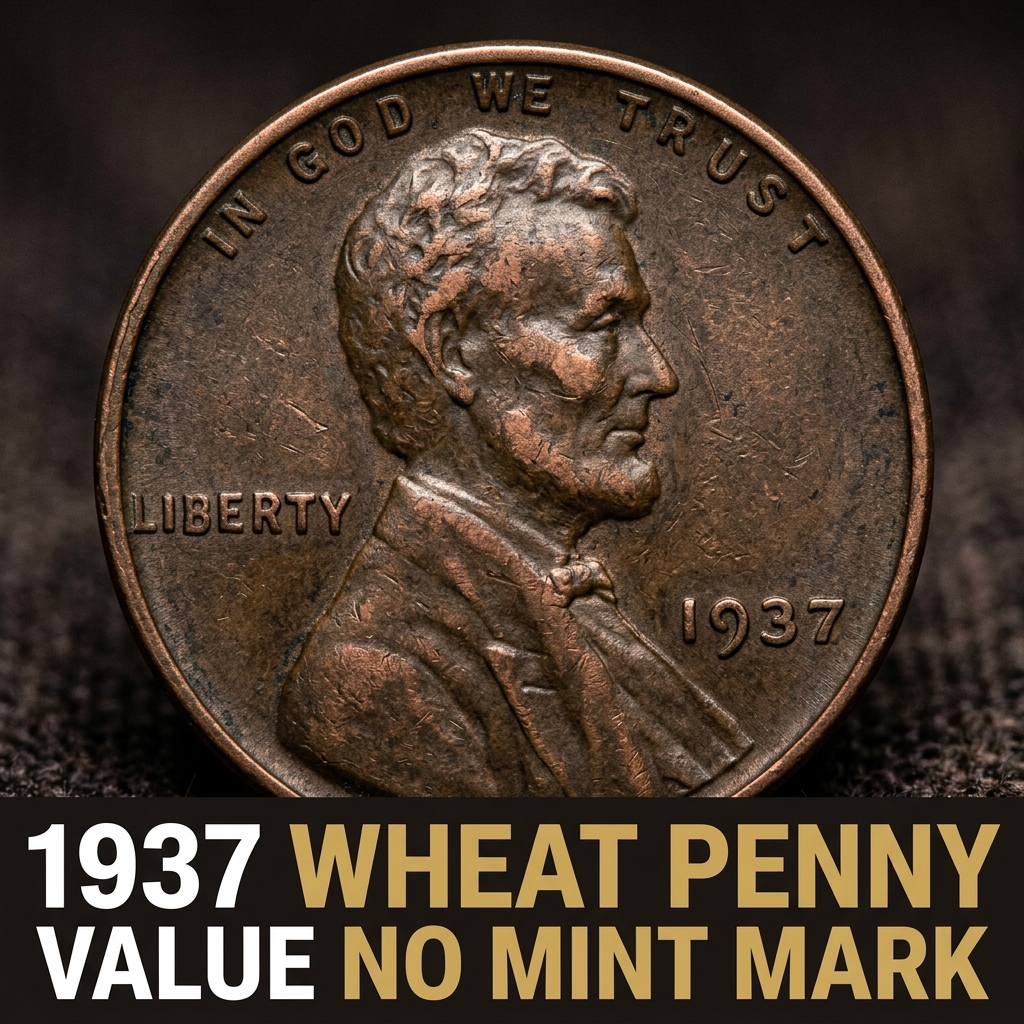
You don’t need to be an expert to get a basic sense of your coin’s condition. Start by looking at Lincoln’s cheekbone and the wheat stalks on the reverse — these are the high points that wear down first.
If the details are sharp and you can still see hair strands above Lincoln’s ear, your coin is likely in Fine or better condition. If the coin looks flat and worn smooth in the center, it’s probably in Good to Very Good range.
Lighting matters a lot. Try tilting the coin under a single lamp to look for luster — that soft cartwheel shimmer that uncirculated coins have. If you see it, your coin could be worth significantly more.
CoinKnow is a great tool for this step. The app lets you photograph your coin and get an instant AI-powered assessment of its condition and approximate value — no coin show required.
What Affects the 1911-D Wheat Penny Value Beyond Grade
Condition is the biggest factor, but it’s not the only one. Color designation matters enormously for uncirculated coins. Copper cents are graded as Red (RD), Red-Brown (RB), or Brown (BN). A 1911-D in MS-64 Red can be worth two to three times more than the same grade in Brown.
Cleaning is a major value killer. If someone polished the coin — even with good intentions — it loses its natural surfaces and becomes almost unsellable to serious collectors. Never clean your old coins.
Strike quality and luster are also factors. Some Denver Mint coins from this era came out of the press with weak strikes, especially on Lincoln’s beard and the wheat stalks. A sharply struck example stands out.
For a full breakdown of 1911 penny values across all three mint varieties including the 1911-D, comparing Philadelphia, Denver, and San Francisco issues side by side can help you understand just how much the mintmark impacts desirability.
Should You Get Your 1911-D Wheat Penny Graded?
If your coin appears uncirculated or is in extremely fine condition, professional grading by PCGS or NGC is worth considering. A certified grade adds credibility and can significantly boost resale value, especially for coins that might reach $100 or more.
For circulated examples worth under $30, the cost of grading ($20–$40 per coin for basic services) usually doesn’t make financial sense. In those cases, raw coins sell just fine to collectors who know what they’re looking at.
CoinKnow can help you decide whether your coin is worth the grading fee. Snap a photo, get an estimated grade and value, and make an informed decision — all from your phone.
FAQ
Q: How do I know if my penny is the 1911-D or the regular 1911?
A: Look just below the date on the front of the coin. If you see a small “D,” it was minted in Denver. No mintmark means Philadelphia. A small “S” indicates San Francisco, which is rarer and generally more valuable.
Q: Is the 1911-D Wheat Penny rare?
A: It’s not considered rare in circulated grades, but it’s definitely a key date coin that collectors actively seek. High-grade mint state examples — especially in Red — are genuinely scarce and can be quite valuable. CoinKnow can help you quickly assess whether your specific example falls into that desirable category.
Q: Can I sell a 1911-D Wheat Penny without getting it graded?
A: Absolutely. Most circulated 1911-D pennies are sold raw (ungraded) on platforms like eBay or to local coin dealers. As long as the coin hasn’t been cleaned and you’re honest about its condition, you should have no trouble finding a buyer.