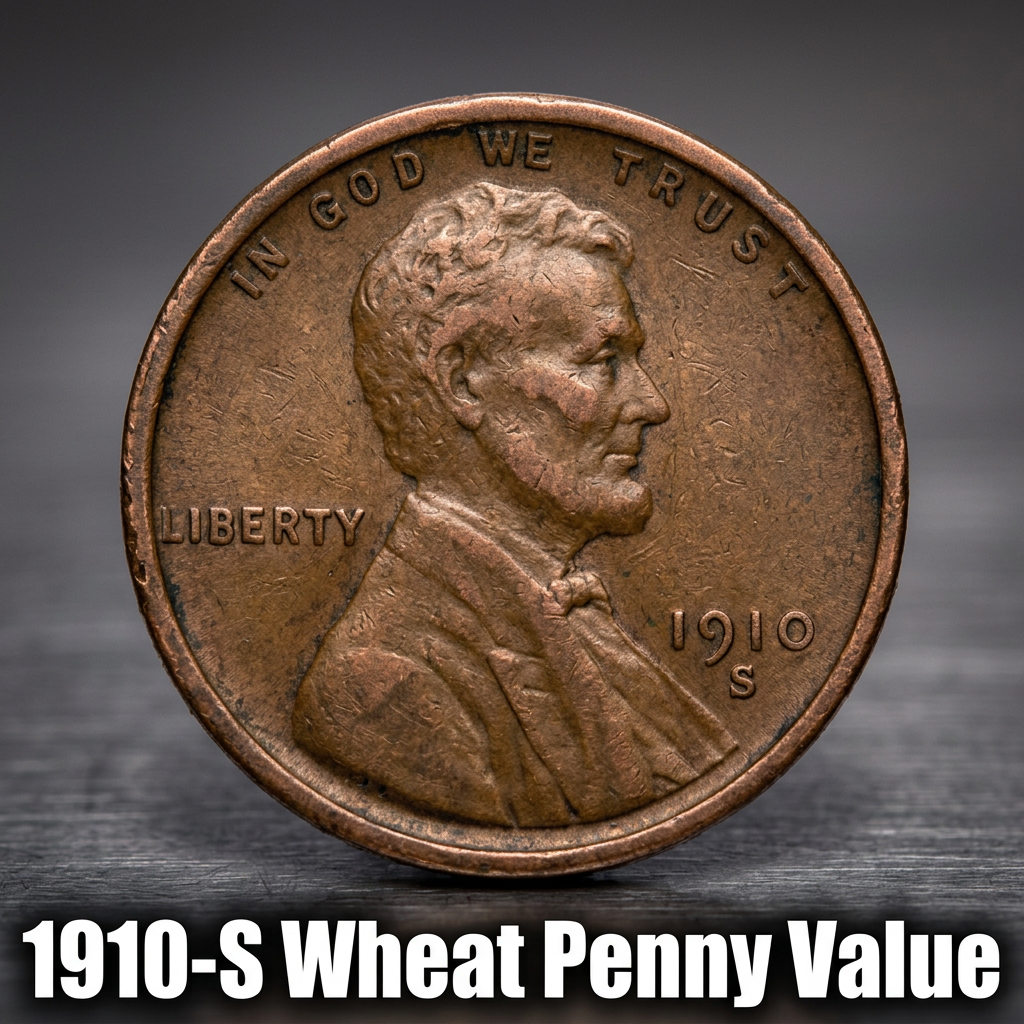

The 1910-S Lincoln Wheat Penny is worth anywhere from $10 in heavily worn condition to over $300 or more in mint state — and if you’ve got one sitting in a jar or old collection, it’s definitely worth a closer look. This San Francisco-minted cent is one of the more sought-after early Lincoln cents, and collectors are always on the hunt for nice examples.
What Makes the 1910-S Wheat Penny Special
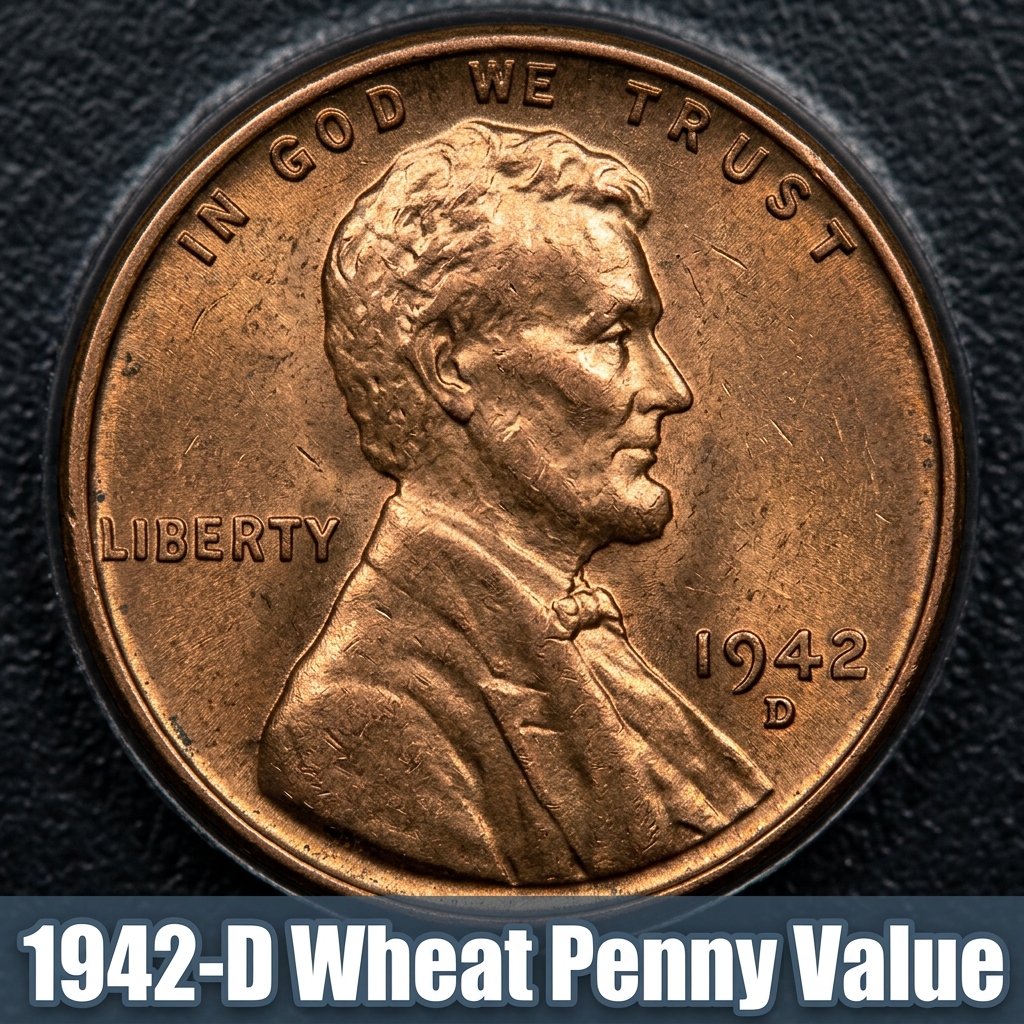
The 1910-S Wheat Penny was struck at the San Francisco Mint and carries the small “S” mintmark just below the date on the obverse. It was only the second year of production for the Lincoln Wheat cent series, which makes it historically significant to collectors.
Unlike its Philadelphia counterpart (which has no mintmark), the 1910-S had a much lower mintage of around 6 million coins. That’s not tiny by any means, but compared to later years, it’s modest — and surviving examples in good condition are harder to come by.
If you’ve recently found an old coin and aren’t sure what you’re looking at, using a free coin identifier app can help you quickly confirm the date, mintmark, and grade before you start researching its value.
1910-S Wheat Penny Value by Grade
The condition of your coin — also called its “grade” — has a massive impact on how much it’s worth. A heavily circulated 1910-S might show worn details and flat lettering, while an uncirculated example looks nearly as fresh as the day it left the mint.
Here’s a general value breakdown based on coin grade:
| Grade | Description | Estimated Value |
|---|---|---|
| Good (G-4) | Heavy wear, outline visible | $10 – $15 |
| Fine (F-12) | Moderate wear, some detail | $20 – $35 |
| Extremely Fine (EF-40) | Light wear on high points | $60 – $90 |
| About Uncirculated (AU-55) | Slight wear, mostly sharp | $100 – $150 |
| MS-63 Red Brown | Uncirculated, mixed color | $175 – $250 |
| MS-65 Red | Gem uncirculated, full red | $400 – $700+ |
For a deeper look at 1910-S Wheat Penny prices in mint state red grades, you can check certified auction records that show exactly what collectors are paying right now.
How to Check the Condition of Your 1910-S Penny
Grading your own coin doesn’t require any fancy equipment to start. Just grab a magnifying glass, find a good light source, and take a close look at Lincoln’s portrait — specifically the cheekbone and the hair above his ear. These are the high points that wear down first.
If the details there are flat and blended together, you’ve got a well-circulated coin in the Good to Fine range. If you can still see sharp hair lines and the wheat stalks on the reverse look full and defined, you might be looking at an Extremely Fine or better example.
CoinKnow is a great tool for this step — it uses your phone camera to analyze coin details and gives you a rough grade estimate instantly. Many everyday collectors use it as a first step before deciding whether to send a coin to a professional grading service like PCGS or NGC.
Is the 1910-S Wheat Penny Rare?
The 1910-S isn’t considered a key date in the Lincoln Wheat series, but it’s definitely a semi-key — meaning it’s harder to find in nice condition than common-date Wheaties like the 1941 or 1944.
Most 1910-S cents you’ll encounter today are worn from years of circulation. That’s why examples in Fine or better grades carry a premium. Uncirculated coins with original red color are genuinely scarce and attract serious collector attention at auction.
You can explore detailed 1910 penny value information including the S mint variety to see how the San Francisco issue stacks up against the Philadelphia mint coin of the same year.
Where to Sell Your 1910-S Wheat Penny
Once you know what you’ve got, you have several good options for selling. eBay is the most accessible platform for everyday sellers — just search completed listings to see what similar coins sold for recently, not just what people are asking.
Coin dealers at local shops or coin shows are another solid option, especially if you want quick cash without the hassle of shipping. Just know that dealers typically pay 50–70% of retail value since they need room to profit on resale.
For higher-grade examples worth $100 or more, it may be worth having your coin professionally graded first. A PCGS or NGC holder adds credibility and can significantly increase buyer confidence — and your final sale price.
CoinKnow can also help you connect with the right resources and give you a realistic value estimate before you walk into any deal, so you don’t leave money on the table.
Frequently Asked Questions
Q: How do I know if my penny is a 1910-S or just a 1910?
A: Look just below the date on the front of the coin. If you see a small “S” mintmark, it was minted in San Francisco. If there’s no letter, it’s a Philadelphia coin — which is more common and generally less valuable.
Q: Is a 1910-S Wheat Penny worth getting professionally graded?
A: It depends on the condition. If your coin looks uncirculated or close to it, professional grading can absolutely be worth the cost — a slabbed MS-65 Red example can sell for several hundred dollars. For worn circulated coins, grading fees may not make financial sense.
Q: Can I use an app to find out what my 1910-S penny is worth?
A: Yes — CoinKnow is one of the most popular options for quick coin identification and value estimates. It’s a solid starting point, though for final decisions on selling or insuring, cross-referencing with certified auction data is always a smart move.