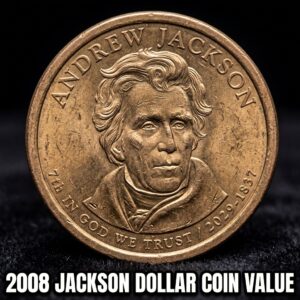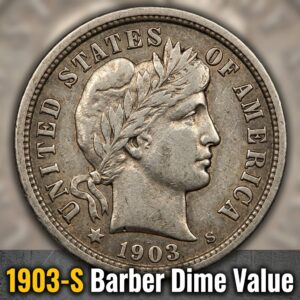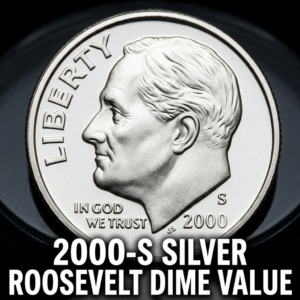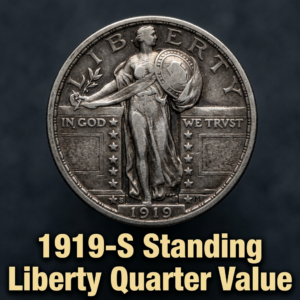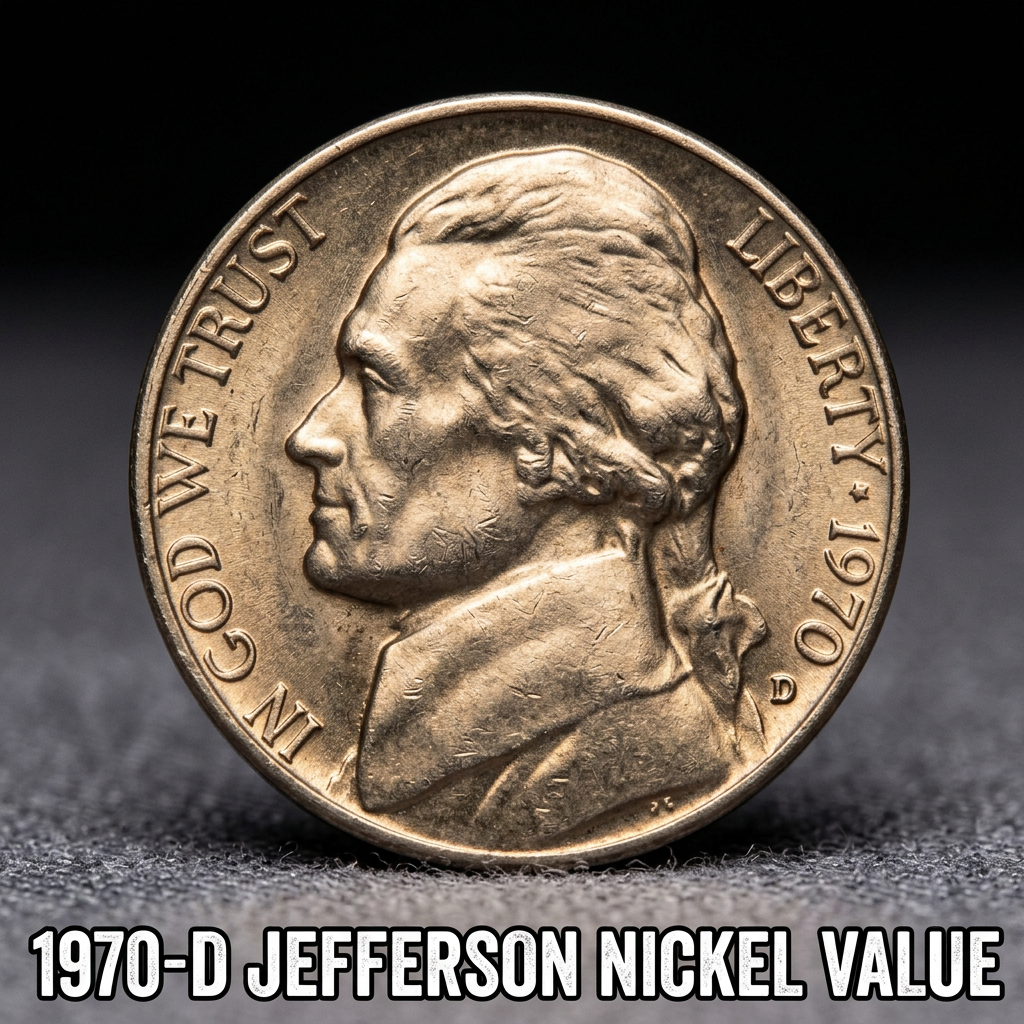

The 1970-D Jefferson Nickel is worth anywhere from 5 cents in heavily circulated condition to over $50 or more in pristine uncirculated grades — and a few exceptional examples have sold for even higher at auction. If you found one of these coins in your change jar or inherited a collection, you’re in the right place to find out exactly what you’ve got.
What Is the 1970-D Jefferson Nickel?
The 1970-D Jefferson Nickel was minted at the Denver Mint, which is why it carries a small “D” mint mark on the obverse (front) of the coin, just to the right of the date. In 1970, the Denver Mint produced a massive number of these coins — over 515 million — making them very common in circulated condition.
That high mintage is both good and bad news. It means finding one isn’t hard, but it also means that worn examples are worth face value or just a little more. However, coins that were never circulated — still sitting in original mint rolls or sets — can be worth real money to collectors who care about condition above all else.
If you’re not sure whether your coin was ever used, try a free coin identifier app to scan it and get an instant read on its condition and estimated value. Tools like CoinKnow make it easy for beginners to understand what they’re looking at without needing to visit a coin shop first.
How Much Is the 1970-D Jefferson Nickel Worth by Grade?
The value of any coin depends almost entirely on its condition, or “grade.” Coin grading runs on a scale from 1 (barely identifiable) to 70 (absolutely perfect). Here’s a simple breakdown of what a 1970-D Jefferson Nickel typically fetches at different grades:
| Grade | Description | Estimated Value |
|---|---|---|
| Good (G-4) | Heavy wear, design visible | Face value (~$0.05) |
| Fine (F-12) | Moderate wear, details clear | $0.10 – $0.25 |
| Extremely Fine (EF-40) | Light wear on high points | $0.50 – $1.00 |
| Uncirculated (MS-63) | No wear, some bag marks | $3 – $8 |
| Choice Uncirculated (MS-65) | Sharp strike, minimal marks | $10 – $25 |
| Gem Uncirculated (MS-67) | Near-perfect surfaces | $50 – $150+ |
For a more detailed look at 1970-D Jefferson Nickel auction prices and certified coin sales by grade, it’s worth checking market records before you sell or trade.
What Makes a 1970-D Nickel More Valuable?
Most 1970-D nickels you find in circulation are worth very little above face value — but certain factors can push the value up significantly.
Full Steps (FS) is one of the most important designations for Jefferson Nickels. This refers to the steps of Monticello on the reverse (back) of the coin. If five or six steps are fully defined with no breaks or weakness, the coin earns a “Full Steps” designation from grading services like PCGS or NGC — and that can multiply its value several times over.
Strike quality also matters. Coins with a sharp, well-centered strike are more desirable. Luster — that original, frosty mint shine — should still be visible on an uncirculated coin. If the surface looks dull or scratched, that reduces value quickly.
Eye appeal is a more subjective factor, but experienced collectors pay attention to it. A coin with attractive, original color and no spots or cleaning will always fetch more than one that looks like it’s been buffed or dipped.
Should You Get It Graded?
If your 1970-D Jefferson Nickel looks like it was never circulated and has strong luster and sharp details, you might be tempted to get it professionally graded. Grading costs money — usually $20 to $50 per coin through PCGS or NGC — so it only makes sense if the coin could realistically sell for well above that amount.
For most MS-63 or MS-64 examples, grading costs might not be worth it. But if you think you have a Full Steps coin at MS-66 or higher, professional grading could unlock serious collector interest and real money.
Not sure where to start? CoinKnow offers an easy-to-use platform that helps you understand your coin’s details before committing to any grading service. It’s a smart first step.
You can also check out current 1970 Jefferson Nickel value estimates and condition guides to see what similar coins have been selling for recently in the collector market.
Where to Sell a 1970-D Jefferson Nickel
If you’ve determined your coin is worth more than face value, you have several options. eBay is one of the most accessible platforms — search completed listings to see what buyers actually paid for similar coins, not just what sellers are asking.
Coin shows and local coin dealers are great for getting a second opinion and potentially getting cash on the spot. Just be prepared to receive wholesale offers — dealers need to make a profit too.
Online coin communities and auction houses like Heritage Auctions or Stack’s Bowers are better suited for high-grade coins where the extra effort pays off. CoinKnow can also help you connect with the right resources depending on what you’ve got.
FAQ
Q: Is a 1970-D Jefferson Nickel rare?
A: No, it is not rare in general — over 515 million were minted in Denver. However, high-grade examples with Full Steps designation are genuinely scarce and much harder to find, making those specific coins valuable to collectors.
Q: What does the “D” mean on my 1970 nickel?
A: The “D” mint mark stands for Denver, indicating the coin was produced at the Denver Mint. In 1970, nickels were also made in Philadelphia (no mint mark). The mint mark is located on the obverse side, to the right of the date.
Q: How do I know if my 1970-D nickel has Full Steps?
A: Look at the reverse of the coin at the steps below Monticello. If you can count five or six clearly defined, unbroken horizontal lines, your coin may qualify for a Full Steps designation. A magnifying glass or loupe helps. You can also use CoinKnow to scan the coin and get a preliminary read before sending it for professional evaluation.