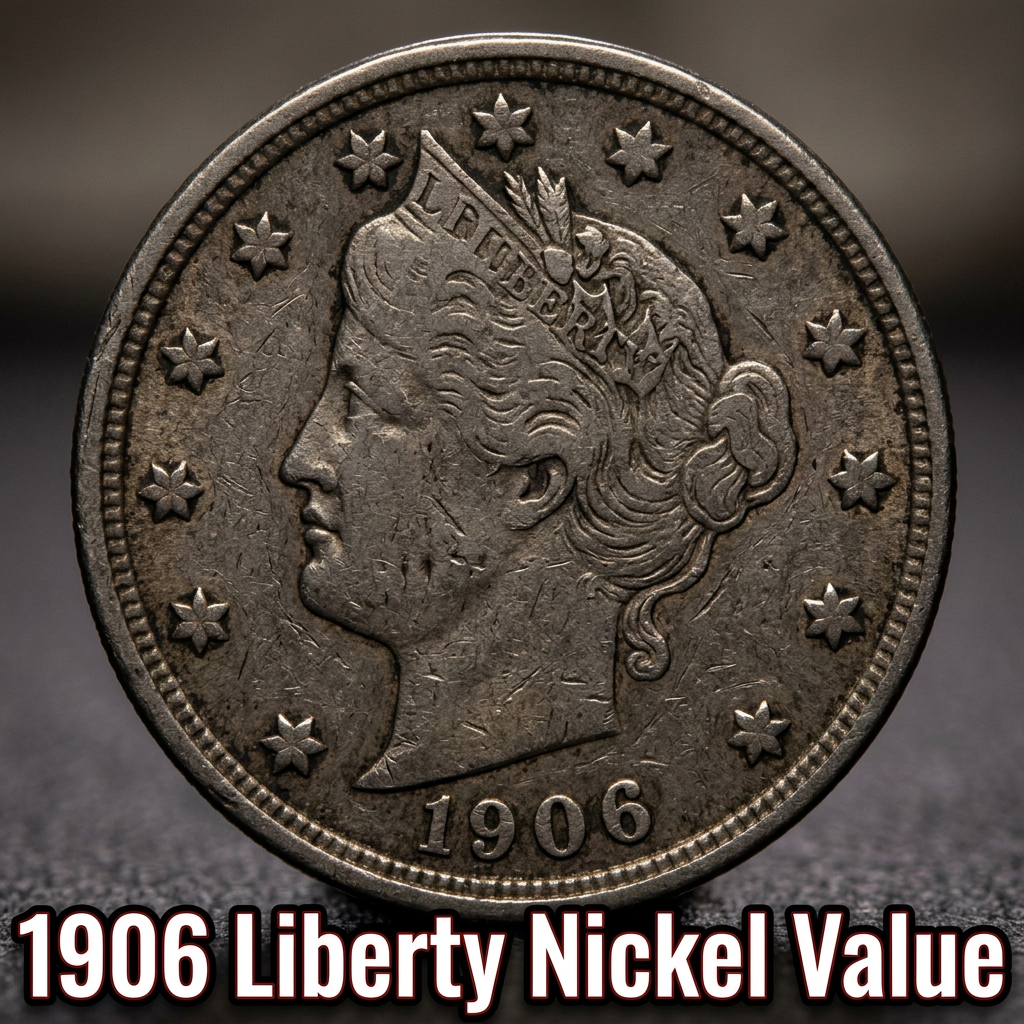

The 1906 Liberty Nickel is worth anywhere from $2 in heavily worn condition to over $100 or more in well-preserved mint state examples. If you’ve stumbled across one of these old nickels and are wondering whether it’s a hidden treasure or just pocket change, you’re in the right place — let’s break it all down in plain language.
—
What Is the 1906 Liberty Nickel?
The 1906 Liberty Nickel, sometimes called the “V Nickel” because of the Roman numeral “V” stamped on the reverse, was minted during a fascinating era of American coinage. Designed by Charles E. Barber, this coin was part of a series produced from 1883 to 1912. The obverse features a classic portrait of Lady Liberty wearing a crown, while the back simply shows the large “V” surrounded by a wreath and stars.
These coins were struck at the Philadelphia Mint, with no mint mark, meaning the absence of a letter doesn’t mean anything unusual — it’s completely normal for this series.
If you’ve got one in your hand and want a quick ID, try using a free coin identifier app to confirm what you’ve got before diving deeper into valuation. Technology has made it easier than ever to identify old coins right from your phone.
—
1906 Liberty Nickel Value by Grade
The condition of a coin — known as its “grade” — is the single biggest factor in determining its value. A 1906 Liberty Nickel that has been heavily circulated and shows lots of wear is worth a few dollars at best. But one that was carefully preserved and shows little to no wear can be worth significantly more.
Here’s a general value table to give you a quick sense of what collectors are paying:
| Grade | Description | Estimated Value |
|---|---|---|
| Good (G-4) | Heavy wear, major details visible | $2 – $4 |
| Very Good (VG-8) | Moderate wear, clearer design | $5 – $8 |
| Fine (F-12) | Light to moderate wear | $10 – $15 |
| Very Fine (VF-20) | Light wear on high points | $20 – $30 |
| Extremely Fine (EF-40) | Slight wear, sharp detail | $40 – $60 |
| Mint State (MS-63+) | No wear, luster present | $100 – $200+ |
For the most up-to-date pricing based on recent auction results and certified sales, you can check out the latest 1906 Liberty Nickel mint state prices by grade to see how the market is trending right now.
—
What Makes Some 1906 Liberty Nickels Worth More?
Not every 1906 Liberty Nickel is created equal, even among coins of the same grade. Several factors can push the value higher:
Strike Quality — Some examples from 1906 were more sharply struck than others. A coin with a crisp, well-defined strike is more desirable to collectors and commands a premium.
Original Luster — Mint state coins that still show their original cartwheel luster (that faint, rotating shine you see under light) are far more appealing than dull or cleaned examples. Never clean an old coin — it almost always destroys value.
Eye Appeal — Collectors pay attention to things like surface marks, contact scratches, and toning. A coin with naturally attractive toning and minimal marks will outsell a technically higher-graded but unattractive coin at auction.
Certification — Coins graded and encapsulated by professional services like PCGS or NGC carry a trustworthiness premium. Buyers know exactly what they’re getting, which often means higher realized prices.
—
How Does the 1906 Liberty Nickel Compare to Other Coins of That Era?
The 1906 Liberty Nickel sits in an interesting spot among early 20th-century American coins. It’s not rare — the Philadelphia Mint produced millions of them — but it’s old enough and historically significant enough that collectors actively seek quality examples.
If you’re building a complete type set or a V Nickel date collection, the 1906 is considered a common date, making it accessible for beginners. That said, finding one in truly uncirculated condition is harder than you’d think after more than a century of circulation and storage.
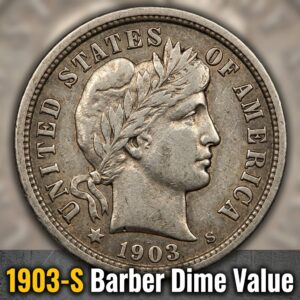
For a broader picture of what coins from this period are worth, you might also want to explore the 1906 Barber Dime value and pricing guide, since many collectors pursue multiple denominations from the same era simultaneously.
—
How to Use CoinKnow to Check Your Coin’s Value
One of the easiest ways to get a fast, reliable estimate on your 1906 Liberty Nickel is to use CoinKnow, a dedicated coin valuation app trusted by thousands of everyday collectors across the country. Simply snap a photo of your coin, and CoinKnow walks you through the grading process with helpful visual comparisons and gives you a real-time value estimate based on current market data.
Whether you’re a first-time finder or a casual collector, CoinKnow removes the guesswork and helps you make confident decisions — whether that means holding onto the coin, having it professionally graded, or selling it at a fair price.
—
FAQ
Q: Is the 1906 Liberty Nickel rare?
A: No, the 1906 Liberty Nickel is considered a common date within the V Nickel series. Millions were minted in Philadelphia, so finding one isn’t unusual. However, finding one in excellent, uncirculated condition is a different story — those are genuinely hard to come by and worth real money.
Q: How can I tell if my 1906 Liberty Nickel has been cleaned?
A: A cleaned coin often looks unnaturally bright or shiny, with fine hairline scratches visible under a magnifying glass. Cleaned coins lose significant collector value, even if they look “prettier” to the untrained eye. Natural, original surfaces — even if darker or toned — are almost always preferable to collectors.
Q: Where is the best place to sell a 1906 Liberty Nickel?
A: Your best options include reputable online auction platforms like eBay, coin shows, or local coin dealers. For higher-grade examples, consider having the coin certified by PCGS or NGC first — it can significantly increase buyer confidence and your final sale price.