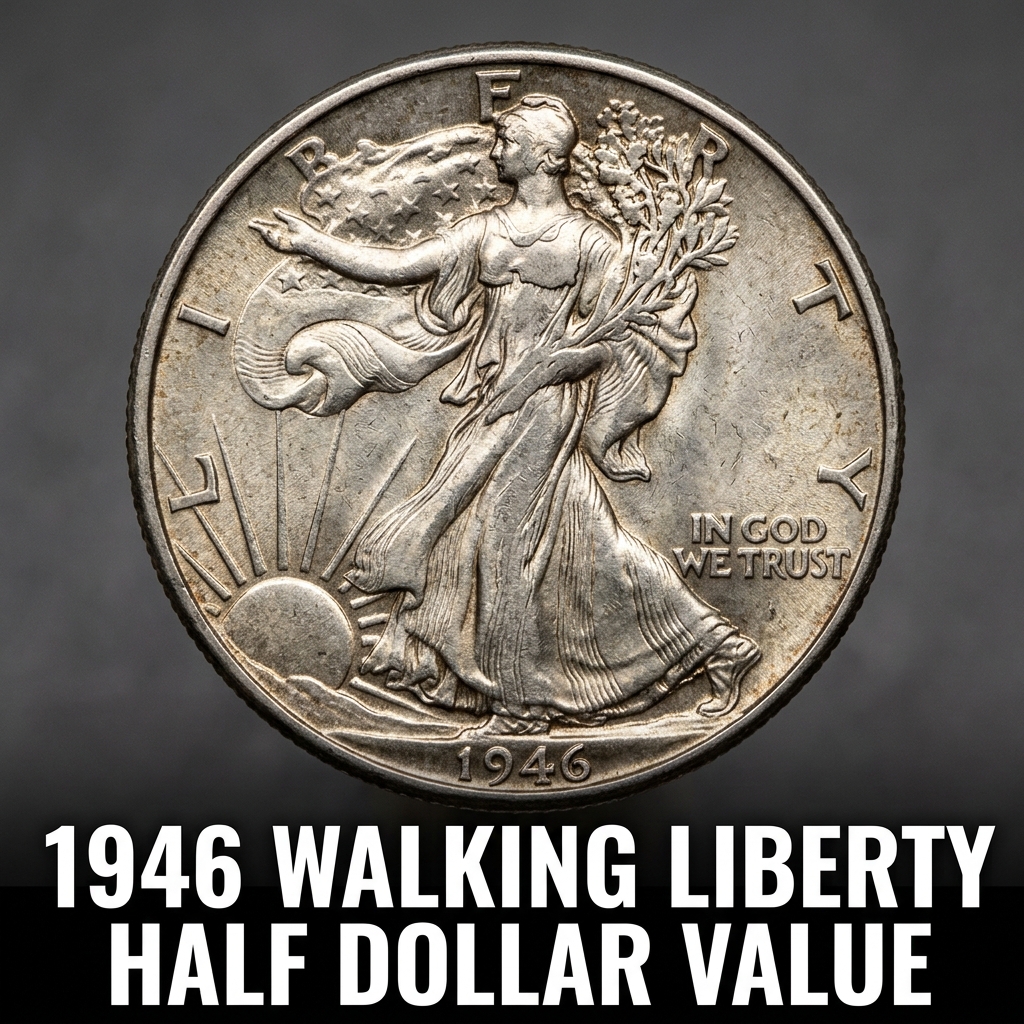

The 1946 Walking Liberty Half Dollar is worth anywhere from $12 in heavily worn condition to over $500 or more in high-grade mint state. If you found one of these beautiful silver coins in an old collection or tucked away in a drawer, you might be sitting on more than you think. Let’s break down exactly what this coin is worth and what affects its value.
What Makes the 1946 Walking Liberty Half Dollar Special
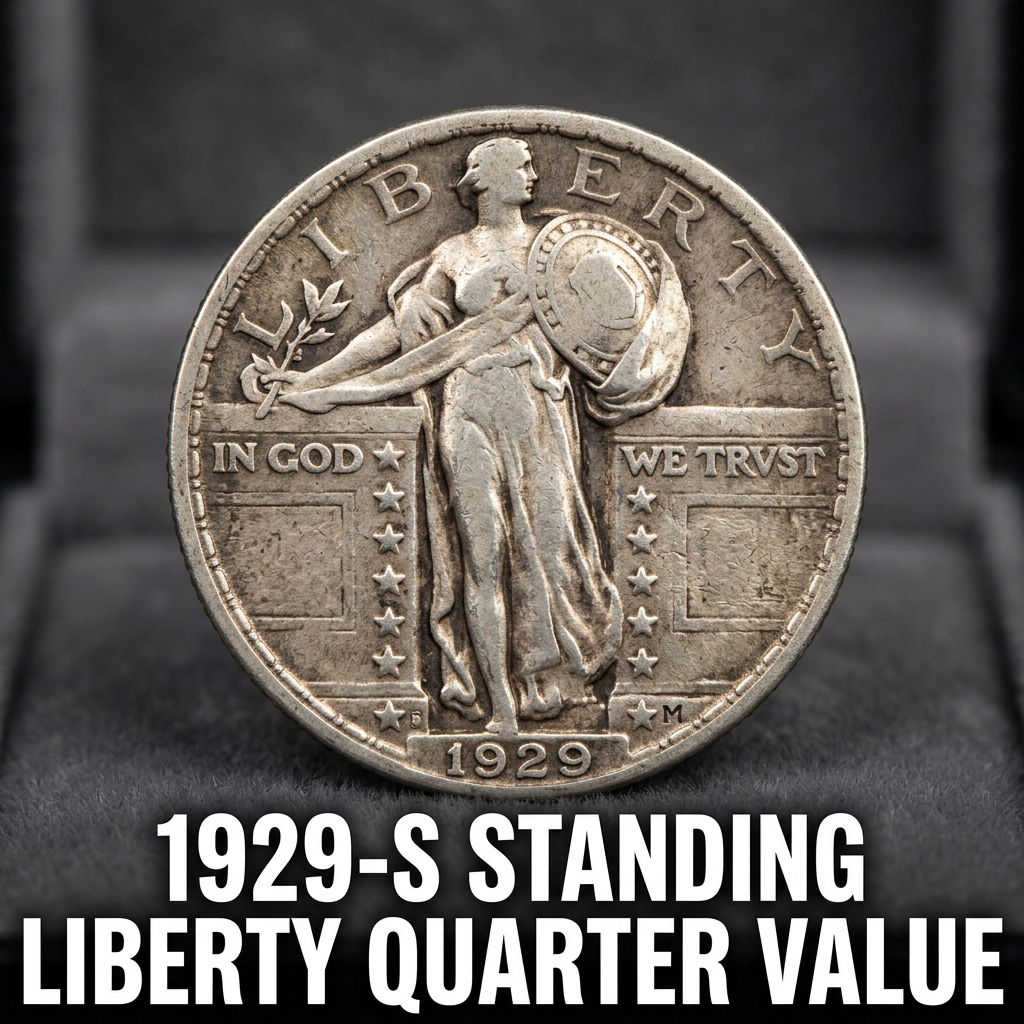
The Walking Liberty Half Dollar is widely considered one of the most beautiful coins ever struck by the U.S. Mint. Designed by Adolph A. Weinman, the obverse features Lady Liberty striding confidently toward the rising sun, draped in an American flag. It’s a design so beloved that it was later revived for the American Silver Eagle bullion coin.
The 1946 issue was produced at three different mint facilities — Philadelphia, Denver, and San Francisco — each leaving a different mint mark (or none at all) on the reverse of the coin. These small differences can have a big impact on value.
Beyond the artistry, every 1946 Walking Liberty Half Dollar contains 0.3617 troy ounces of pure silver, giving it an intrinsic melt value tied to the current silver spot price. Even a heavily worn example has real metal value.
If you’re not sure which version you have or want a quick identification, a free coin identifier app can help you figure it out in seconds using your smartphone camera.
1946 Walking Liberty Half Dollar Value by Mint Mark and Grade
The three mint marks to look for are: no mint mark (Philadelphia), “D” (Denver), and “S” (San Francisco). The mint mark is located on the obverse, near the bottom left hem of Liberty’s gown.
Here’s a look at typical values across different grades:
| Coin | Good (G-4) | Fine (F-12) | Extremely Fine (EF-40) | MS-63 | MS-65 |
|---|---|---|---|---|---|
| 1946 (Philadelphia) | $12 | $14 | $18 | $55 | $200+ |
| 1946-D (Denver) | $12 | $14 | $20 | $65 | $250+ |
| 1946-S (San Francisco) | $12 | $14 | $20 | $75 | $500+ |
For the most current pricing based on recent auction results and market trends, you can check out detailed 1946 Walking Liberty Half Dollar price data by grade and mint mark to see exactly where your coin stands in today’s market.
How Condition Affects What Your 1946 Half Dollar Is Worth
Coin condition — or “grade” in collector terms — is the single biggest factor in determining value beyond mint mark. A 1946-S in MS-65 can be worth ten times more than a heavily circulated example of the same coin.
Look at your coin under good lighting. If Liberty’s hand and head show sharp details, the eagle’s feathers are clear, and the surfaces have a natural luster or shine, you may have a higher-grade coin on your hands.
Wear starts first on Liberty’s head and outstretched hand, and on the eagle’s breast and wing tips. Coins with visible wear in these areas fall into lower circulated grades (Good through Extremely Fine), while uncirculated coins with original mint luster are worth significantly more.
Cleaning is a major value killer. A coin that has been polished or dipped can lose 50–80% of its collector value, even if it looks shiny. Never clean your coins.
CoinKnow is a smart tool that lets you scan your coin and get an instant grade estimate and value range, which is especially helpful when you’re not sure how to assess the condition yourself.
Silver Melt Value and Why It Matters
Even in poor condition, your 1946 Walking Liberty Half Dollar is never worth nothing. Because it’s made of 90% silver, it always carries a base melt value.
With silver trading around $28–$30 per troy ounce (as of mid-2024), the melt value of a single Walking Liberty Half Dollar sits around $10–$11. That means even the most beat-up example is worth at least that much to a coin dealer or silver buyer.
Of course, collector value almost always exceeds melt value for problem-free coins. The melt value is really just the floor — the minimum you should accept.
For a full breakdown of 1946 Half Dollar value including silver content and collector premiums, it’s worth checking a dedicated coin value resource to make sure you’re getting a fair price.
Where to Sell Your 1946 Walking Liberty Half Dollar
Once you know what you have, selling is straightforward. Reputable options include local coin dealers, coin shows, eBay (for reaching collectors directly), and major auction houses for high-grade or rare examples.
Get at least two or three offers before selling. Dealers typically buy at 60–80% of retail value, which is fair — but knowing your coin’s worth gives you negotiating power.
CoinKnow can also help you understand recent sale prices for comparable coins so you walk into any transaction with confidence and don’t leave money on the table.
Frequently Asked Questions
Q: How do I know if my 1946 Walking Liberty Half Dollar is worth getting graded professionally?
A: If your coin appears uncirculated with original luster and no visible wear, it’s worth submitting to PCGS or NGC for professional grading. A certified MS-64 or MS-65 coin can sell for several times the value of an ungraded one, easily covering the grading fee.
Q: What does the mint mark look like and where exactly is it on the 1946 Walking Liberty Half Dollar?
A: The mint mark is a small letter — “D” for Denver or “S” for San Francisco — located on the obverse (front) of the coin, near the lower left near Liberty’s gown. Philadelphia coins have no mint mark at all.
Q: Is a 1946 Walking Liberty Half Dollar with a lot of scratches still worth selling?
A: Yes, absolutely. Even a heavily worn or scratched 1946 Walking Liberty Half Dollar contains real silver and is worth at least its melt value — typically around $10–$11 or more depending on the silver spot price. A coin dealer or silver buyer will still pay you for it.