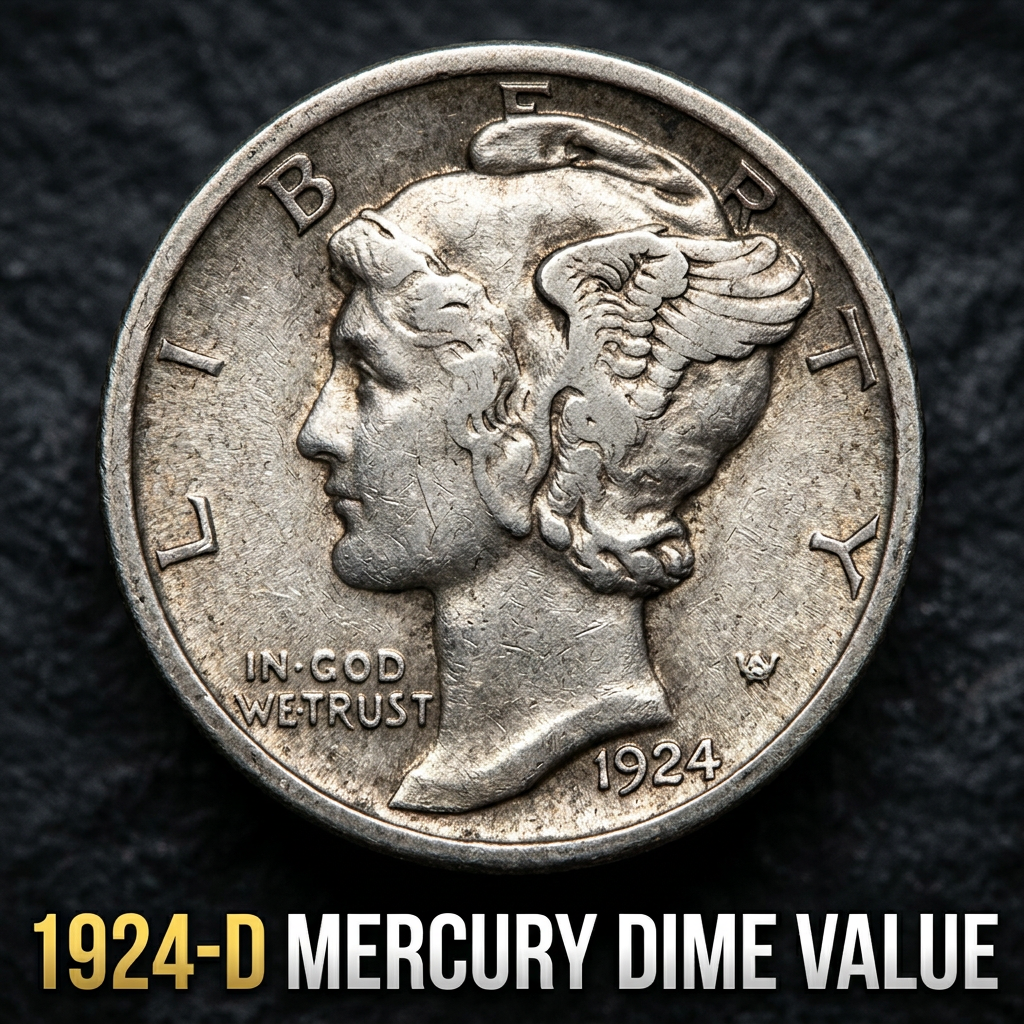

The 1924-D Mercury Dime is worth anywhere from $10 in heavily worn condition to well over $1,500 in top mint state grades — and if you happen to have one with a Full Bands designation, values can climb even higher. If you pulled one of these old dimes out of a drawer, a coin jar, or your grandfather’s collection, you’re in the right place to find out exactly what you’ve got.
What Makes the 1924-D Mercury Dime Special
The 1924-D Mercury Dime was struck at the Denver Mint, identifiable by the small “D” mintmark on the reverse side of the coin, just to the left of the “E” in “ONE DIME.” Denver production in 1924 reached about 6,810,000 coins — a lower mintage compared to the Philadelphia issue — which is one reason collectors pay a premium for this date and mintmark combination.
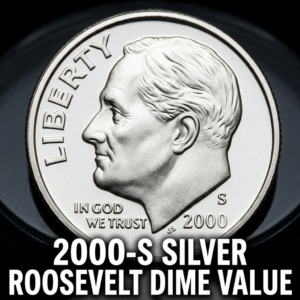
The coin features Adolph Weinman’s iconic design, with Liberty wearing a winged cap (often mistaken for the Roman god Mercury, hence the nickname). The reverse shows a fasces bound with an olive branch. It’s widely considered one of the most beautiful U.S. coin designs ever made.
If you’re not sure whether your coin is the Denver issue, a free coin identifier app can help you confirm the mintmark and date within seconds using your phone’s camera — no expertise required.
1924-D Mercury Dime Value by Grade
Coin value depends almost entirely on condition. Even small differences in wear can mean a big jump in price. Here’s a breakdown of what the 1924-D Mercury Dime is typically worth across different grades:
| Grade | Description | Estimated Value |
|---|---|---|
| Good (G-4) | Heavy wear, date and mintmark visible | $10 – $14 |
| Fine (F-12) | Moderate wear, some detail remains | $18 – $28 |
| Extremely Fine (EF-40) | Light wear on high points | $55 – $80 |
| About Uncirculated (AU-55) | Slight rub, most luster intact | $100 – $160 |
| MS-63 | Mint state, minor contact marks | $300 – $500 |
| MS-65 Full Bands | Gem, fully struck bands on fasces | $1,200 – $2,500+ |
For a deeper look at 1924-D Mercury Dime prices across mint state grades, including recent auction results, it’s worth checking dedicated coin pricing resources before selling or buying.
The Full Bands Designation and Why It Matters
One thing that separates a common Mercury dime from a truly valuable one is the “Full Bands” (FB) designation. This refers to the horizontal bands on the fasces shown on the reverse of the coin. When a coin is struck with full die pressure, those bands appear as two distinct, fully separated sets of lines.
On the 1924-D, full strikes are harder to find than on the Philadelphia issue, which means Full Bands examples are genuinely scarce. A regular MS-65 might sell for $400–$500, while an MS-65 FB can easily fetch $1,500 or more.
CoinKnow is a great resource if you want to quickly understand what FB means on your specific coin, compare grades, and get an instant estimate of what it might be worth in today’s market.
How to Check Your 1924-D Dime at Home
Before you do anything with your coin, take a close look under good lighting. Use a magnifying glass if you have one. Check for the “D” mintmark on the reverse — if it’s missing, you have the Philadelphia issue, which is more common. If the mintmark is there, examine the overall sharpness and surface condition.
Avoid cleaning the coin. A cleaned Mercury dime loses significant collector value, even if it looks shinier. Collectors and dealers can spot cleaning instantly, and it can cut the value by 50% or more.
You can get a quick baseline estimate using the 1924 Mercury Dime value guide with up-to-date pricing data to cross-reference your coin’s grade with real market values.
For a more precise assessment, CoinKnow offers an easy-to-use grading tool that walks you through condition evaluation step by step, which is perfect if you’re new to coin collecting and just want a straight answer.
Should You Get Your 1924-D Graded?
If your coin looks like it’s in AU or better condition — meaning the surfaces are mostly bright, the detail is sharp, and there’s little visible wear — professional grading by PCGS or NGC is worth considering. Grading fees typically run $30–$50 per coin for standard service, and a certified MS-65 FB example could sell for many times that cost.
For coins in lower circulated grades, grading isn’t usually necessary. You can still sell them to dealers or on platforms like eBay based on visual grade. Just be honest about the condition and use a trusted pricing resource to set fair expectations. CoinKnow can help you figure out whether the grading investment makes sense for your specific coin before you commit.
FAQ
Q: How do I know if my Mercury dime is the 1924-D and not the regular 1924?
A: Flip the coin over and look at the reverse, near the bottom left of the coin near the “ONE DIME” inscription. The “D” mintmark will appear to the left. If there’s no letter, it’s the Philadelphia Mint issue.
Q: Is the 1924-D Mercury Dime made of silver?
A: Yes. All Mercury dimes, including the 1924-D, are composed of 90% silver and 10% copper. Even a worn example has a base silver melt value of around $1.60–$1.80 depending on current silver prices, though collector value is much higher.
Q: Where is the best place to sell a 1924-D Mercury Dime?
A: Local coin dealers are a quick option for immediate payment, though you may not get full retail value. Online platforms like eBay or Heritage Auctions can reach more buyers and potentially return higher prices, especially for higher-grade or Full Bands examples.