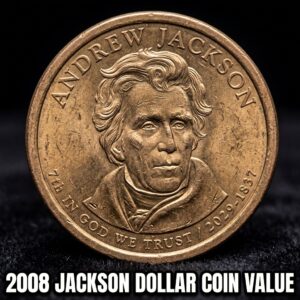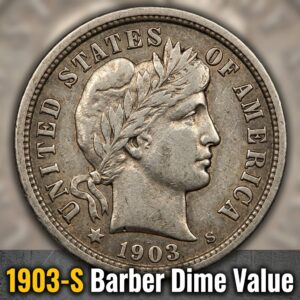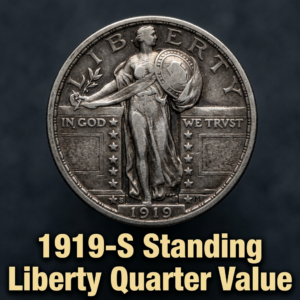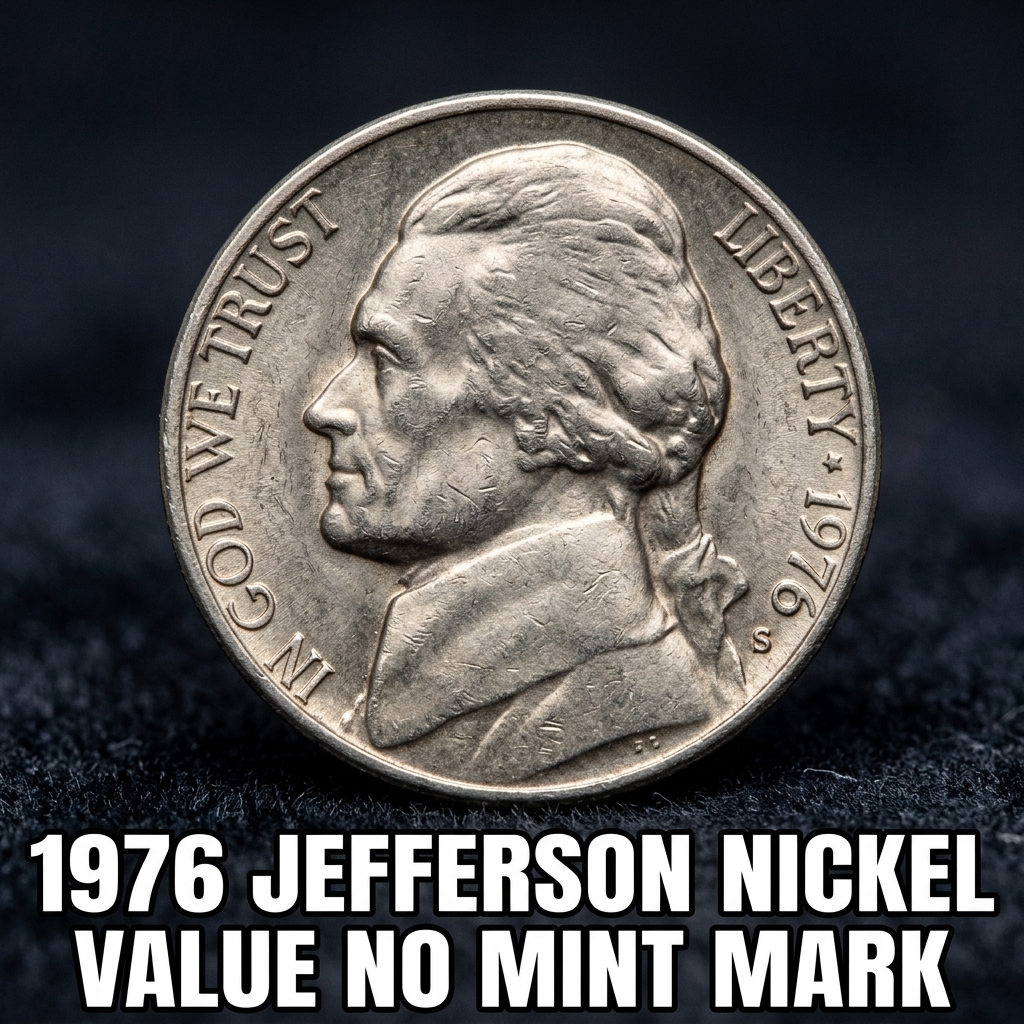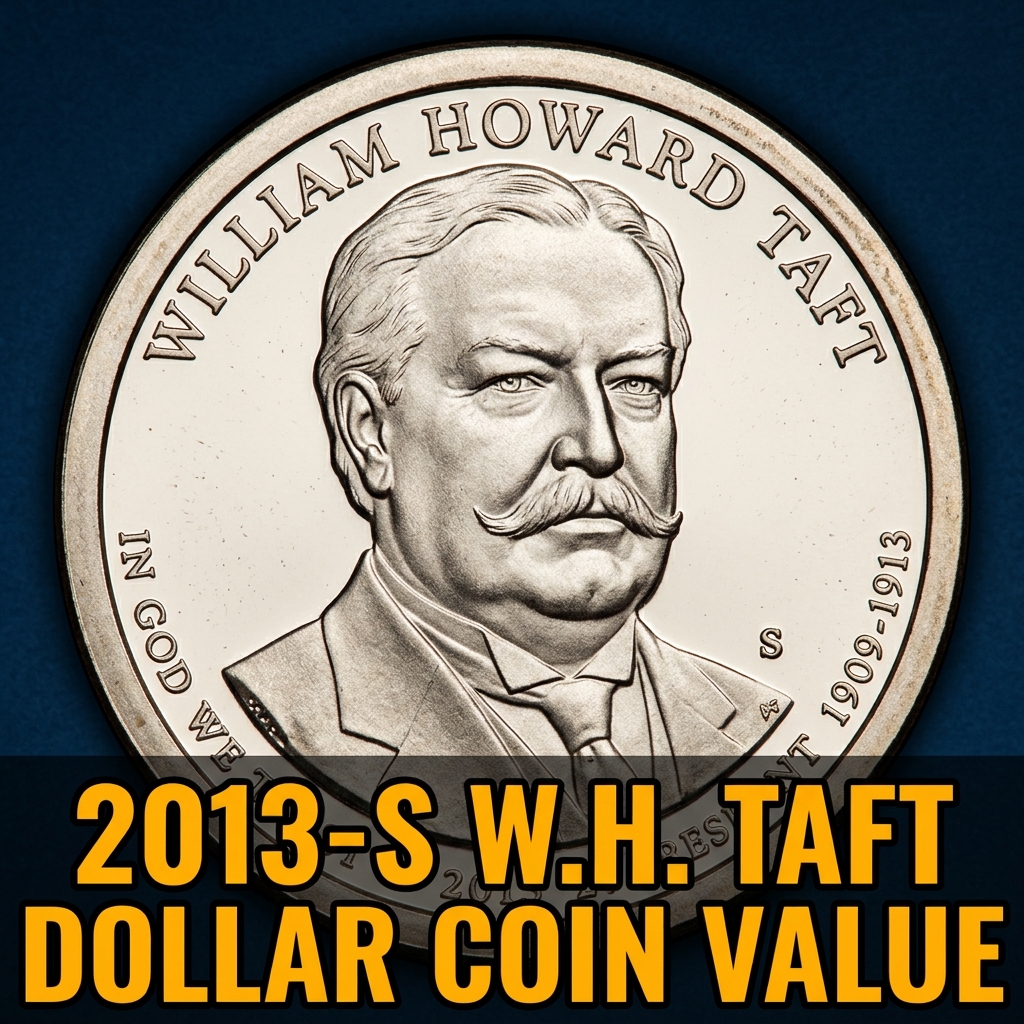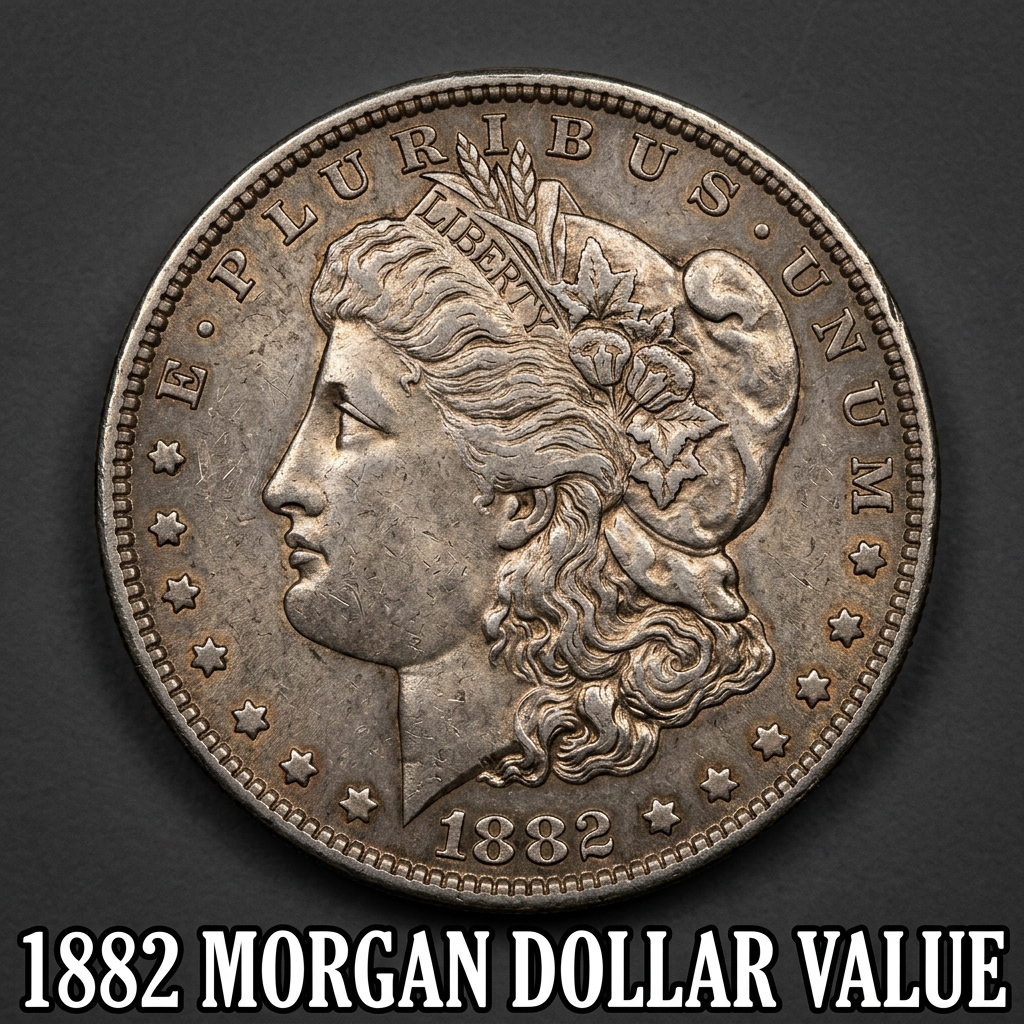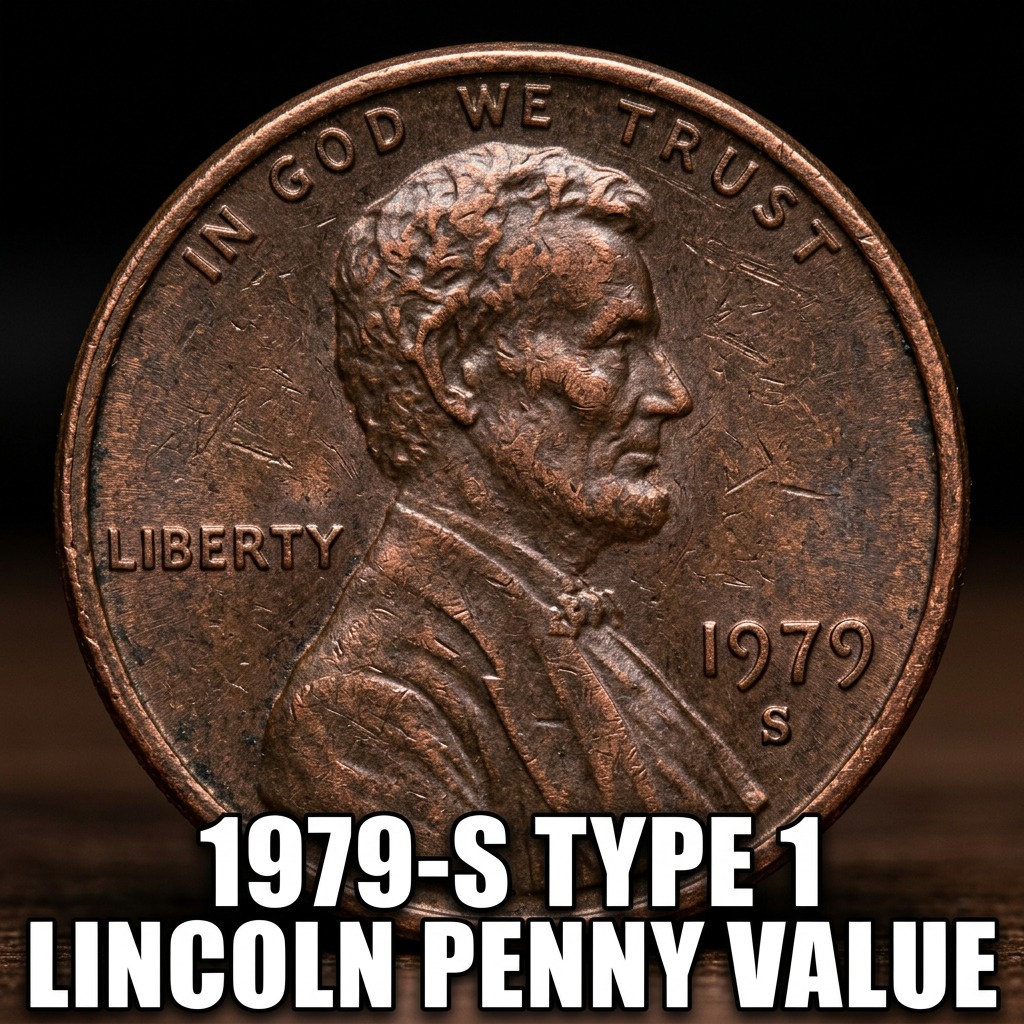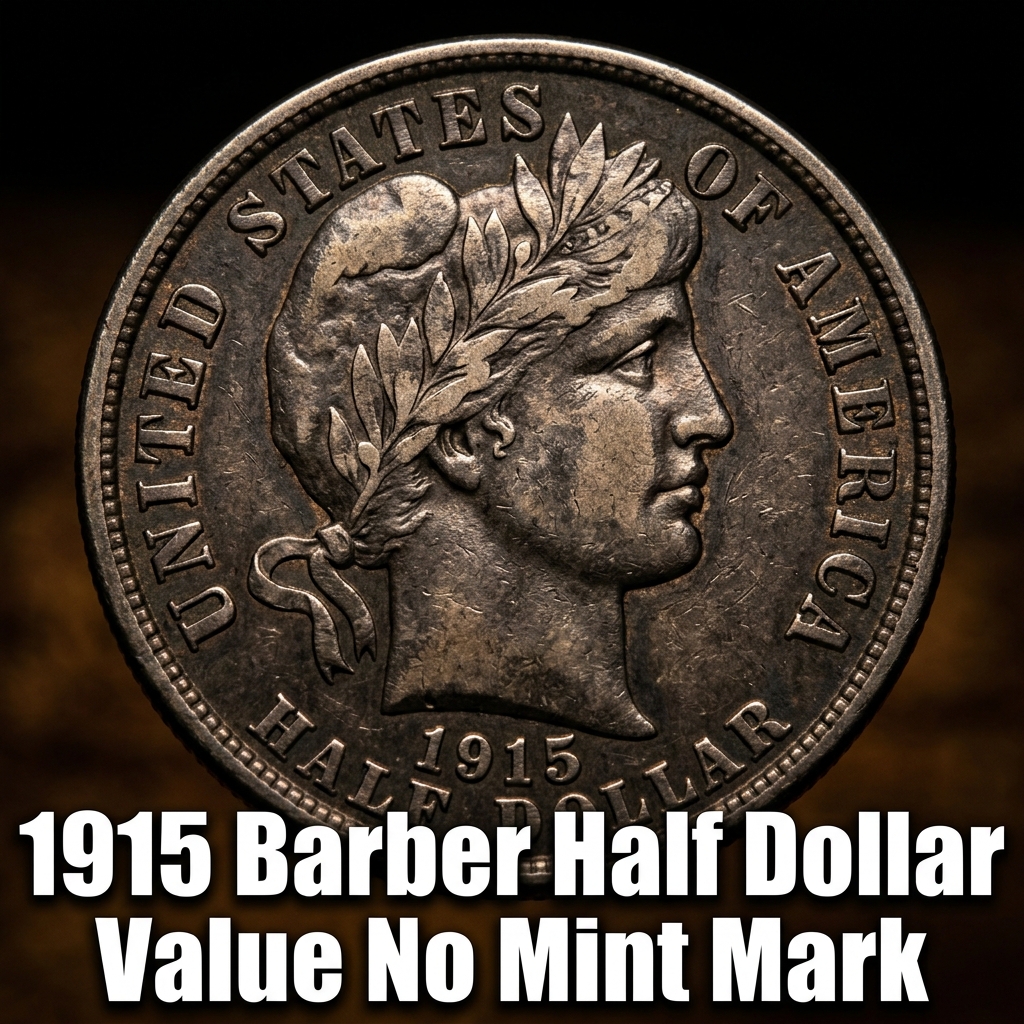

The 1915 Barber Half Dollar (Philadelphia Mint, no mint mark) is worth anywhere from $25 in heavily worn condition to well over $500 in high-grade uncirculated examples — and rare gem specimens can push even further. If you just found one of these old silver coins and you’re wondering what it’s worth, you’re in the right place.
What Is the 1915 Barber Half Dollar?
The 1915 Barber Half Dollar is a 90% silver coin minted at the Philadelphia Mint. Because it came from Philadelphia, it carries no mint mark — which is completely normal and not a defect. These coins were designed by Charles E. Barber, the U.S. Mint’s Chief Engraver, and they were produced from 1892 all the way through 1915, making this year the very last of the series.
The 1915 Philadelphia issue had a mintage of just 138,450 coins — one of the lowest mintage figures in the entire Barber Half Dollar series. That’s a pretty small number, which is part of why collectors care so much about this particular coin.
If you’re not sure exactly what coin you’re holding, a free coin identifier app can help you confirm the date, mint mark, and series in seconds using just your phone’s camera.
How Much Is the 1915 Barber Half Dollar Worth with No Mint Mark?
Value depends heavily on the coin’s condition, also called its “grade” in collector language. A coin that has been heavily circulated — meaning the design details are worn flat — is worth significantly less than one that still shows sharp details and luster.
Here’s a general value guide for the 1915 Barber Half Dollar (No Mint Mark):
| Grade / Condition | Estimated Value |
|---|---|
| Good (G-4) – Heavily Worn | $25 – $35 |
| Very Good (VG-8) | $40 – $60 |
| Fine (F-12) | $70 – $100 |
| Very Fine (VF-20) | $110 – $175 |
| Extremely Fine (EF-40) | $200 – $300 |
| About Uncirculated (AU-55) | $350 – $475 |
| Mint State (MS-63 and above) | $500 – $2,000+ |
The silver melt value alone for a Barber Half Dollar is roughly $8–$10 at current silver prices, so even a heavily damaged coin isn’t worthless.
Why the 1915 No Mint Mark Is Special to Collectors
The 1915 Philadelphia issue holds a unique place in American numismatic history — it’s the final year of the Barber Half Dollar series. Collectors who are building complete sets always need this coin, and with such a low mintage, finding a nice example isn’t easy.
That low original mintage of 138,450 coins means fewer survived over time. When you factor in coins that were melted, lost, or destroyed, the surviving population in collectible grades is quite small. That’s exactly why nice uncirculated examples can command prices well above $1,000 at major coin auctions.
Many collectors also appreciate that this coin has real historical weight — it circulated during World War I, and the design itself is a beautifully detailed piece of 19th-century craftsmanship. You can learn more about how 1915-dated U.S. coin values are determined across different denominations to see just how much year and mint mark affect price.
How to Check Your Coin’s Condition at Home
You don’t need to be an expert to do a basic condition check. Here’s what to look for:
Start with Liberty’s head on the obverse (front). If you can still see individual hair strands and the letters in LIBERTY are sharp and readable, your coin is in Very Fine condition or better — that’s a good sign.
Flip it over and look at the eagle on the reverse. Clear feather detail in the eagle’s breast and wings indicates the coin hasn’t been heavily circulated. If the eagle looks smooth and flat, it’s probably in the Good to Very Good range.
Avoid cleaning the coin. A cleaned coin, even one that looks shiny, will actually sell for less than a naturally worn coin of the same grade. Collectors call it “cleaning damage,” and it can cut value significantly.
CoinKnow is a great tool for this step — just snap a photo and the app will give you an instant grade estimate along with current market values, so you know where your coin stands before you try to sell.
Where to Sell a 1915 Barber Half Dollar
If you’ve decided to sell, you have several solid options. Local coin dealers are convenient and will give you cash on the spot, though they typically pay 60–70% of retail value so they can resell at a profit.
Online platforms like eBay, Heritage Auctions, and Great Collections connect you with serious collectors who may pay closer to full retail. For higher-grade coins worth $300 or more, consider having your coin graded by PCGS or NGC first — a certified coin in a plastic slab almost always sells for more.
CoinKnow can help you compare estimated values across grades and remind you what condition factors matter most before you walk into a dealer’s shop or list online. It’s a simple way to make sure you’re not leaving money on the table.
—
Frequently Asked Questions
Q: Does the 1915 Barber Half Dollar have a mint mark?
A: The Philadelphia Mint did not place a mint mark on its coins during this era, so a 1915 Barber Half Dollar with no mint mark was made in Philadelphia. This is the standard issue. Coins made in San Francisco carry an “S” and those from New Orleans carry an “O.”
Q: Is a 1915 Barber Half Dollar made of real silver?
A: Yes. All Barber Half Dollars are composed of 90% silver and 10% copper. Each coin contains 0.3617 troy ounces of pure silver, giving it a base melt value tied to the current silver spot price even in poor condition.
Q: Should I clean my 1915 Barber Half Dollar before selling it?
A: No — never clean an old coin. Cleaning removes the natural patina and leaves microscopic scratches that coin graders can spot instantly. A cleaned coin is almost always worth less than an uncleaned one in the same state of wear. Leave it as-is and let a professional assess it.