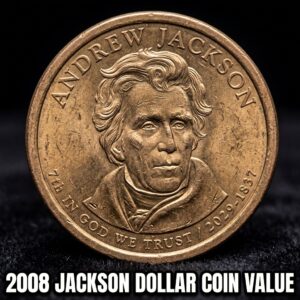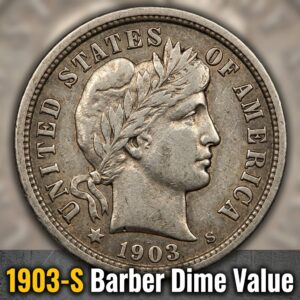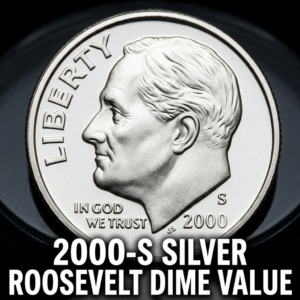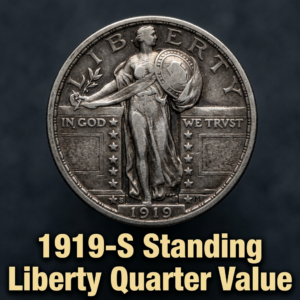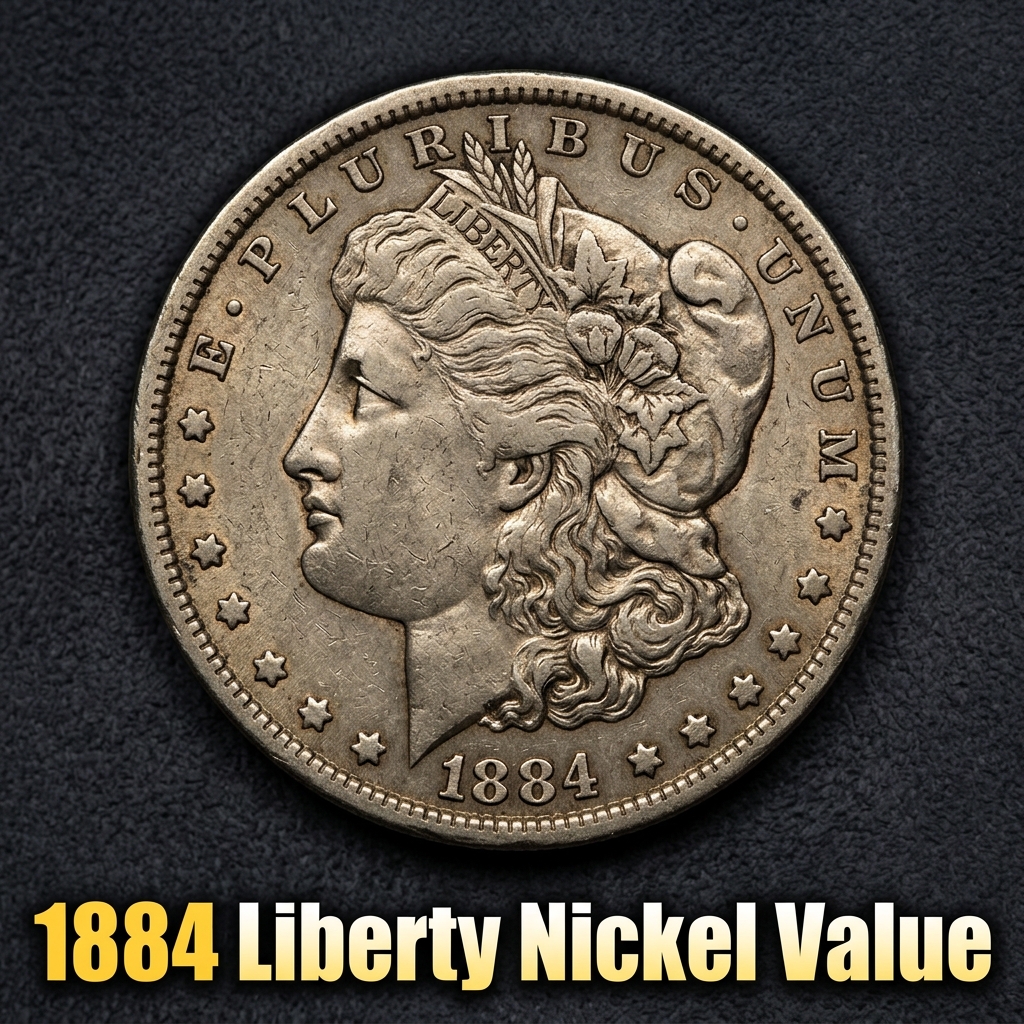

The 1884 Liberty Nickel is worth anywhere from $3 in heavily worn condition to over $1,500 or more in high-grade mint state — and if you’ve got one sitting in a drawer or an old coin collection, it’s definitely worth a closer look. This classic 19th-century five-cent piece has a lot going for it: historical charm, a die-hard collector base, and real money value that surprises most everyday people who stumble across one.
What Is the 1884 Liberty Nickel?
The 1884 Liberty Nickel was struck at the Philadelphia Mint as part of the Liberty Head nickel series, which ran from 1883 to 1912. Designed by Charles Barber, the coin features Lady Liberty facing left on the obverse and a large Roman numeral “V” on the reverse surrounded by a wreath.
If you want a quick ID before diving deeper, a free coin identifier app can scan your coin using your smartphone camera and give you a starting point in seconds — no magnifying glass required.
The 1884 issue had a mintage of around 11.2 million coins, which is relatively modest compared to later years. That means it’s not an ultra-rare coin, but it’s not a common throwaway either. Collectors especially prize examples in better condition, where the strike details and surface luster are still crisp and visible.
1884 Liberty Nickel Value by Grade
Coin value is almost entirely dependent on condition, or what collectors call “grade.” A coin that’s been passed hand to hand for decades will show heavy wear — smoothed high points, faded details — and that brings the value down significantly. An uncirculated coin that spent 140 years in a cabinet? That’s where real money comes in.
Here’s a general value breakdown for the 1884 Liberty Nickel:
| Grade | Condition Description | Estimated Value |
|---|---|---|
| Good (G-4) | Heavy wear, main design visible | $3 – $6 |
| Fine (F-12) | Moderate wear, some detail remains | $10 – $20 |
| Extremely Fine (EF-40) | Light wear on high points | $40 – $75 |
| About Uncirculated (AU-55) | Slight wear, much luster intact | $100 – $175 |
| Mint State (MS-63) | No wear, some minor marks | $350 – $600 |
| Mint State (MS-65) | Gem quality, near perfect | $1,200 – $1,800+ |
For the most current auction results and certified sale prices, you can check detailed 1884 Liberty Nickel price data in mint state grades — it’s updated regularly and gives you a real-world look at what buyers are actually paying.
How to Tell If Your Coin Is Worth More
Beyond grade, a few other factors can push the value of an 1884 Liberty Nickel higher than average. First, look for proof coins — the U.S. Mint produced around 3,942 proof 1884 Liberty Nickels for collectors, and these deeply mirrored, sharply struck coins can sell for $300 to $500 even in lower proof grades.
Second, check for any die varieties or errors. While the 1884 Liberty Nickel doesn’t have a famous error like the 1883 “No Cents” nickel, subtle die cracks or repunched date varieties do exist and are treasured by specialists.
The CoinKnow app is a great resource here — it lets you photograph your coin and cross-reference it against known varieties and graded examples in its database, which can save you time and prevent you from underselling a coin that’s actually worth more than you think.
Color and toning matter too. Natural, even toning that developed over decades can actually add appeal to a coin, while artificial cleaning (the kind well-meaning grandparents sometimes did with toothpaste or vinegar) permanently damages the coin’s surface and drops the value significantly. Never clean an old coin before getting it appraised.
Comparing the 1884 Liberty Nickel to Other Silver Coins of the Era
It’s worth noting that the Liberty Nickel is a copper-nickel coin — it contains no silver despite its name and silvery appearance. If you’re finding old coins from this period and wondering about silver content, you might also be looking at coins like the Morgan Dollar or Seated Liberty dime.
If you’re curious about similar coins from the 1880s, explore what the 1884 silver dollar is worth today — it’s a popular year for Morgan Dollars and values can be substantially higher.
The CoinKnow app can help you sort through a mixed collection quickly, identifying each coin’s type, year, and approximate value so you know where to focus your attention. For someone sorting through a grandparent’s old coffee can of coins, it’s honestly a game changer.
Where to Sell Your 1884 Liberty Nickel
If you’ve determined your coin is in decent shape, you have several options. eBay is a common first stop, and it gives you a feel for what real buyers are paying right now. Coin shows and local coin dealers are another option — you get immediate payment and face-to-face advice. For high-grade examples, submitting to PCGS or NGC for professional grading and then selling through a major auction house often yields the best results.
Whatever route you choose, don’t rush. A little research upfront — using tools like CoinKnow and the price resources linked in this guide — can easily mean the difference between getting $20 and getting $200 for the same coin.
—
FAQ
Q: Is the 1884 Liberty Nickel made of silver?
A: No. Despite its silver-like appearance, the 1884 Liberty Nickel is made of 75% copper and 25% nickel. It contains no silver at all. The coins often get mistaken for silver pieces, especially when they’re toned or lightly worn.
Q: What makes an 1884 Liberty Nickel valuable?
A: The main driver of value is condition. Higher-grade examples — especially gem mint state coins graded MS-65 or better — are significantly scarcer and command strong prices from collectors. Proof versions and any die varieties also carry premiums above typical circulated specimens.
Q: Where can I get my 1884 Liberty Nickel appraised?
A: You can start with a free scan using a coin identifier app to get a general idea of what you have. For a formal appraisal, visit a local coin dealer, attend a coin show, or submit your coin to a professional grading service like PCGS or NGC for an official grade and encapsulation.