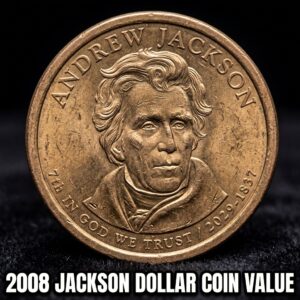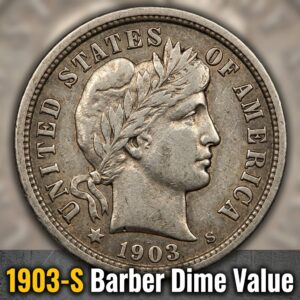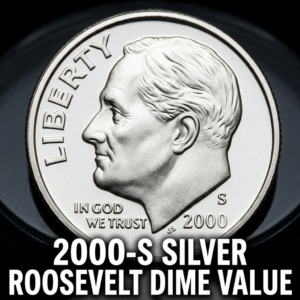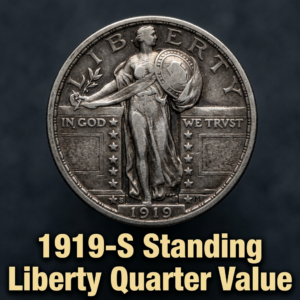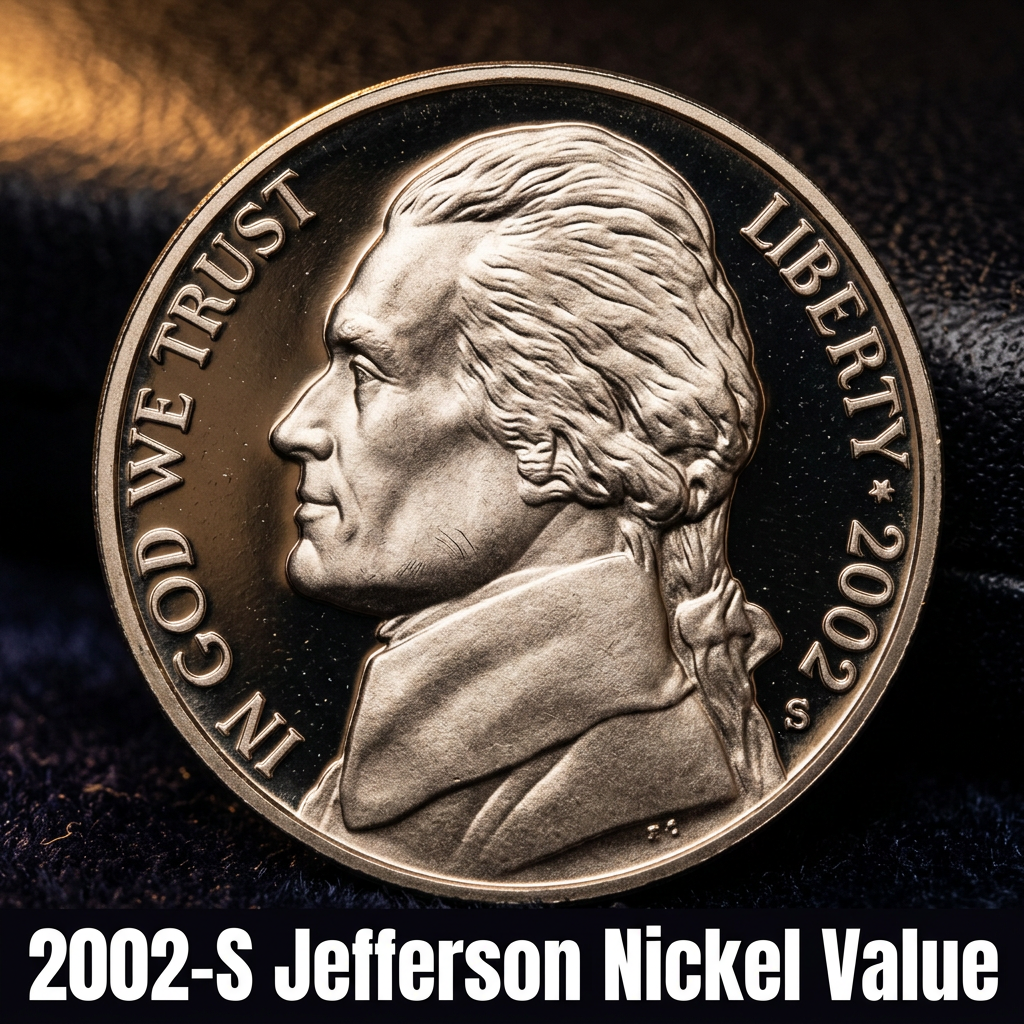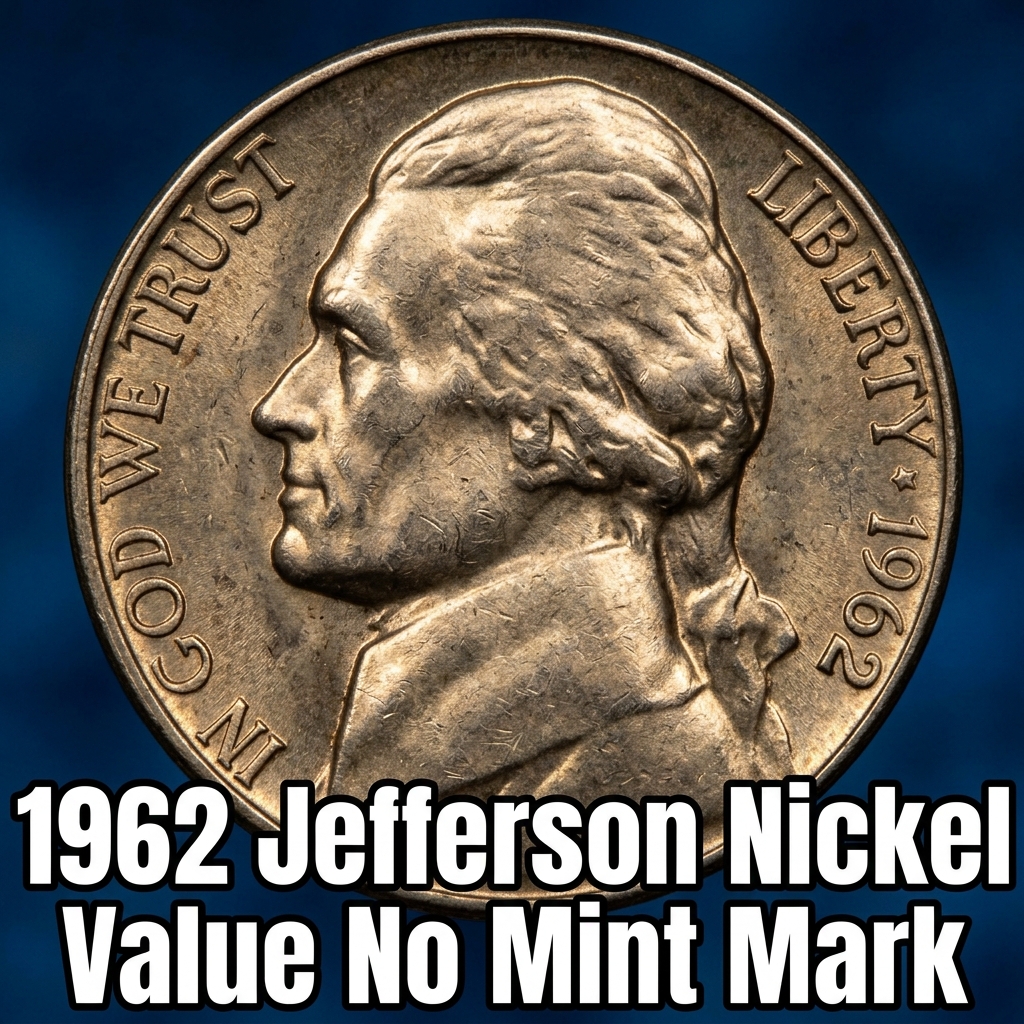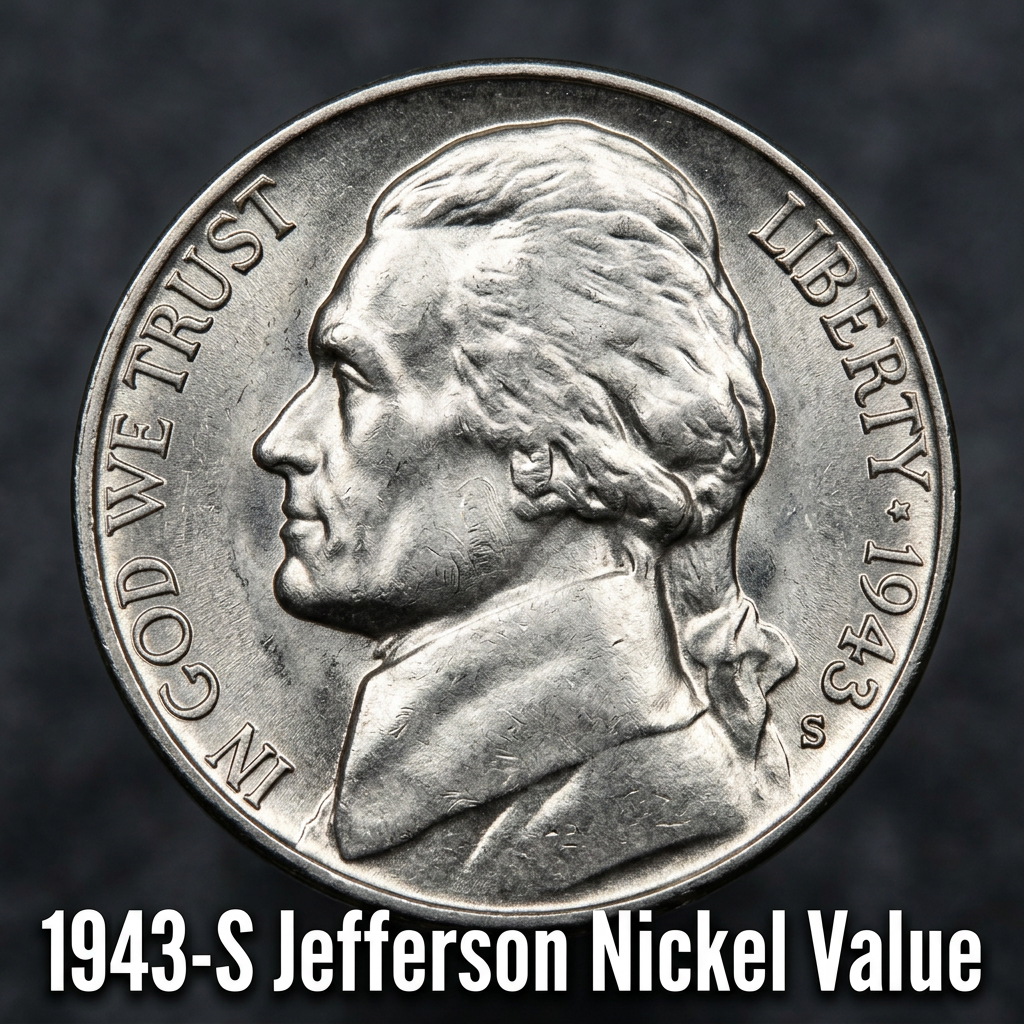

The 1943-S Jefferson Nickel is worth anywhere from $1.50 in heavily worn condition to over $100 or more in high-grade mint state — and if you’ve got one with full steps, it could be worth significantly more. Let’s break down exactly what your coin might be worth.
If you found a 1943-S nickel in an old jar or inherited a coin collection, you’re in the right place. This guide is written for everyday people who want real answers about their coins without needing a degree in numismatics. For a quick ID on any coin in your pocket or collection, try a free coin identifier app to get started — it can save you a lot of time before you dig deeper.
What Makes the 1943-S Jefferson Nickel Special
The 1943-S Jefferson Nickel was minted at the San Francisco Mint during World War II. That “S” mintmark on the reverse side of the coin — just to the right of Monticello — tells you where it was made.
What makes this coin historically interesting is that during 1942–1945, the U.S. government changed the composition of the nickel to conserve nickel metal for the war effort. These “war nickels” are made of 35% silver, 56% copper, and 9% manganese. So yes, your 1943-S Jefferson Nickel contains real silver.
This silver content alone gives the coin a base melt value of around $1.00–$1.50 depending on current silver prices. But numismatic value — what collectors are actually willing to pay — can go much higher depending on the coin’s condition.
1943-S Jefferson Nickel Value by Grade
Coin condition, or “grade,” is the single biggest factor in determining value. Grading ranges from Poor (P-1) on the low end to Mint State (MS-65 and above) on the high end. Here’s a general breakdown of what the 1943-S is worth at various grades:
| Grade | Condition Description | Estimated Value |
|---|---|---|
| G-4 (Good) | Heavy wear, outlines visible | $1.50 – $2.00 |
| F-12 (Fine) | Moderate wear, major details clear | $2.50 – $3.50 |
| EF-40 (Extremely Fine) | Light wear on high points | $4.00 – $7.00 |
| MS-63 (Mint State) | Uncirculated, some blemishes | $20 – $40 |
| MS-65 (Gem Mint State) | Near perfect, strong luster | $60 – $120+ |
| MS-65 Full Steps (FS) | Gem grade with sharp Monticello steps | $200 – $500+ |
For the most up-to-date auction data and certified coin pricing, you can check out recent 1943 Jefferson Nickel prices in mint state grades to see what collectors are actually paying right now.
What Are “Full Steps” and Why Do They Matter
If you’ve spent any time reading about Jefferson Nickels, you’ve probably seen the term “Full Steps” or “FS.” This refers to the steps at the base of Monticello on the reverse of the coin. When all five or six steps are fully struck and clearly defined, the coin is considered a Full Steps specimen.
Full Steps coins are significantly rarer and more desirable to serious collectors. A regular MS-65 1943-S nickel might sell for $60–$120. But the same coin graded MS-65 Full Steps can command $200–$500 or more at auction.
The 1943-S is actually known for having relatively well-struck examples compared to some other war nickel dates, but true Full Steps coins are still a small minority. If your coin looks crisp and detailed around Monticello’s staircase, it might be worth getting professionally graded.
CoinKnow is a great tool for first-time coin hunters — it helps you identify and estimate the grade of your coin before you spend money on professional grading services.
How to Tell If Your 1943-S Nickel Is the Real Deal
Authenticating your coin doesn’t have to be complicated. Here’s what to look for:
First, check the date on the obverse (front). It should clearly read “1943.” Below Jefferson’s portrait, you’ll see “IN GOD WE TRVST” — note the “V” instead of a “U,” which is stylistically correct.
On the reverse, look to the right of Monticello’s dome for the mintmark. The 1943-S will have a large “S” mintmark. One unique feature of all war-era nickels (1942–1945) is that the mintmark appears on the reverse above Monticello — unlike pre-war nickels where the mintmark was on the obverse.
You can also do a quick magnet test. Real 1943-S nickels are not magnetic because of their silver-copper-manganese composition. If your coin sticks to a magnet, it may be a different coin or a fake. For a comprehensive look at the full 1943 nickel value across all mint marks and conditions, including the Philadelphia and Denver issues, that resource covers everything in one place.
CoinKnow also makes it easy to scan and identify coins using your phone’s camera — handy when you’re sorting through a large collection and need quick answers.
Should You Clean or Keep Your 1943-S Nickel As-Is
Here’s one of the most common mistakes new collectors make: cleaning their coins. Please don’t do it.
Even if your 1943-S nickel looks dirty, tarnished, or dull, cleaning it almost always reduces its value in the eyes of collectors and grading services. Professional graders can spot cleaned coins immediately, and a “cleaned” designation can cut the value in half or more.
Leave the coin as-is. Store it in a coin flip, a 2×2 cardboard holder, or an airtight capsule to prevent further damage. If the coin is high grade, consider submitting it to PCGS or NGC for official grading — especially if you think it might have Full Steps.
Use CoinKnow to get a quick estimate of what your coin might be worth before deciding whether professional grading makes financial sense for your piece.
—
Frequently Asked Questions
Q: Is the 1943-S Jefferson Nickel made of silver?
A: Yes. The 1943-S Jefferson Nickel is part of the “war nickel” series minted from 1942 to 1945. It contains 35% silver, which gives it an intrinsic metal value above face value even in poor condition.
Q: How do I find the mintmark on a 1943-S Jefferson Nickel?
A: Look on the reverse side of the coin, above Monticello’s dome. During the war nickel years (1942–1945), all mintmarks were moved to this location. The “S” stands for the San Francisco Mint.
Q: What is the most valuable version of the 1943-S Jefferson Nickel?
A: The most valuable examples are graded MS-65 or higher with Full Steps (FS) designation. These coins can sell for $200 to $500 or more at auction. A certified MS-66 FS example could potentially reach even higher depending on the current market.