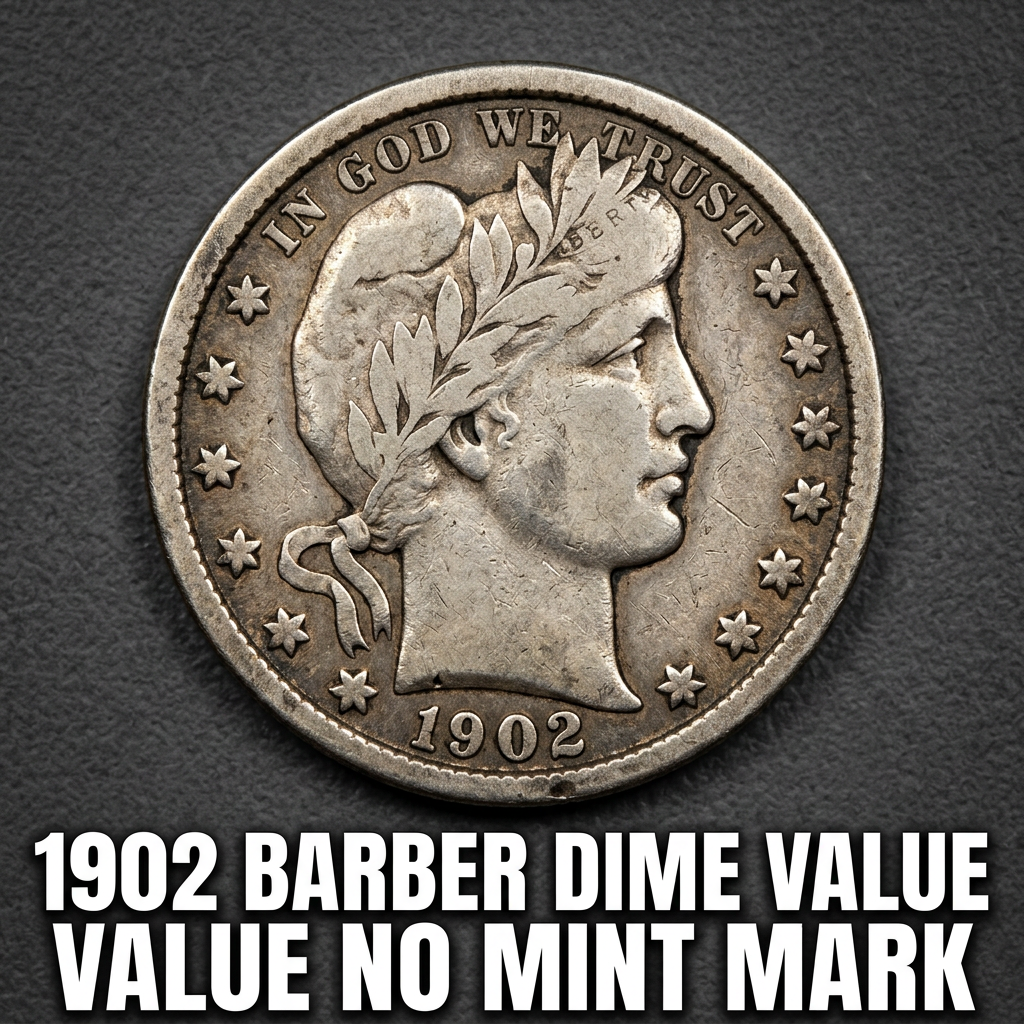

The 1902 Barber Dime with no mint mark is worth anywhere from $3 to $5 in heavily worn condition, but can fetch $30 to $80 in fine grade — and in mint state, it may be worth several hundred dollars to a collector.
If you found one of these silver coins tucked away in a drawer, old purse, or inherited collection, you’re probably wondering whether it’s worth anything. Good news: it just might be. Let’s walk through everything you need to know about the 1902 Barber Dime value, including what affects the price, how to grade it yourself, and what buyers are actually paying today.
free coin identifier app tools have made it easier than ever for everyday people to identify and value old coins without needing to visit a coin shop. Apps like CoinKnow let you snap a photo and get an instant estimate — a great first step before you decide what to do with your coin.
What Is the 1902 Barber Dime
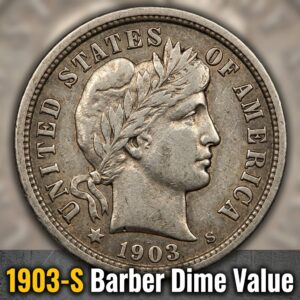
The 1902 Barber Dime is a 90% silver ten-cent piece minted during the classic era of American coinage. It features the profile of Liberty wearing a Phrygian cap on the obverse — a design created by U.S. Mint Chief Engraver Charles E. Barber, which is how the coin got its nickname.
On the reverse, you’ll see a wreath surrounding the words “ONE DIME.” It’s a clean, elegant design that collectors have admired for over a century.
The Philadelphia Mint produced the 1902 no mint mark version. Philadelphia coins from this era carry no mint mark at all, which is completely normal — it doesn’t mean anything is missing. Total mintage for the 1902 Philadelphia dime was around 21.3 million coins, making it a fairly common date in the Barber Dime series, though high-grade examples are still desirable.
How Condition Affects the 1902 Barber Dime Value
Condition is everything when it comes to coin value. A heavily circulated coin with worn details is worth a few dollars, mostly for its silver content. But a coin with sharp design details and original luster can be worth dramatically more.
Here’s a simple breakdown of what to look for:
– Poor to Fair (P-1 to F-2): Liberty’s head is nearly flat, legends barely readable. Worth $3–$5 in silver melt value.
– Very Good (VG-8): Some hair detail visible, rim intact. Worth around $8–$12.
– Fine (F-12): Moderate wear, most lettering clear. Around $18–$30.
– Very Fine (VF-20 to VF-35): Light wear on high points only. Worth $30–$60.
– Extremely Fine (EF-40 to EF-45): Slight wear on Liberty’s hair and cheek. Worth $65–$100.
– Mint State (MS-60 and above): No wear, original mint luster. Worth $150 to $400+, sometimes more for top-grade examples.
| Grade | Description | Estimated Value |
|---|---|---|
| Good (G-4) | Heavy wear, outline visible | $4 – $6 |
| Very Good (VG-8) | Some detail remains | $8 – $12 |
| Fine (F-12) | Moderate even wear | $18 – $30 |
| Very Fine (VF-30) | Light wear on high points | $35 – $60 |
| Extremely Fine (EF-45) | Slight wear only | $70 – $100 |
| Mint State (MS-63) | No wear, luster present | $175 – $300 |
| Mint State (MS-65) | Gem quality | $350 – $500+ |
Silver Melt Value and Why It Matters
Even if your 1902 Barber Dime is heavily worn and shows little detail, it still has real value because it’s made of 90% silver. Each Barber Dime contains about 0.0723 troy ounces of pure silver.
With silver trading around $27–$30 per ounce (prices fluctuate, so always check current rates), the base melt value of your coin is roughly $2.00 to $2.20. That’s essentially the floor — no Barber Dime in any condition is worth less than its silver content.
For a more precise and up-to-date estimate on the 1902 Barber Dime value by grade and mint mark, checking a dedicated coin value resource is always a smart move before selling or trading.
How to Get the Best Price for Your 1902 Barber Dime
If you think you’ve got a nice-looking coin, don’t just sell it at the first offer. Here are some practical tips:
Get it graded. If your coin appears to be in Extremely Fine or better condition, it may be worth having it professionally graded by PCGS or NGC. Certified coins sell for more because buyers trust the grade.
Compare recent sales. Check eBay’s “sold listings” to see what similar coins actually sold for — not just asking prices.
Use a coin identification app. CoinKnow is a great tool for beginners. Just photograph both sides and the app gives you a quick value estimate along with key details about the coin’s history and rarity. It’s free to get started and can save you from making an uninformed sale.
Know your audience. Dealers will typically offer you 50–60% of retail value. Selling directly to collectors through online platforms often nets a better return.
FAQ
Q: Is the 1902 Barber Dime with no mint mark rare?
A: Not particularly. The Philadelphia Mint struck over 21 million of them, making it one of the more common Barber Dime dates. However, coins in Mint State condition are genuinely scarce and command strong premiums.
Q: How do I know if my coin is worth getting professionally graded?
A: If the coin appears to have no visible wear, original silvery luster, and sharp design details, it’s likely Mint State. Coins in this condition may benefit from professional grading since certified MS examples can sell for two to three times the price of raw (ungraded) coins. CoinKnow can help you do a quick visual assessment at home before spending money on grading fees.
Q: Does a no mint mark mean my 1902 dime is from Philadelphia?
A: Yes. Philadelphia was the main U.S. Mint and traditionally did not place a mint mark on its coins. In 1902, Barber Dimes were also minted in New Orleans (O) and San Francisco (S). Those mint marks appear on the reverse near the bottom. If you see no letter there, your coin is a Philadelphia issue.