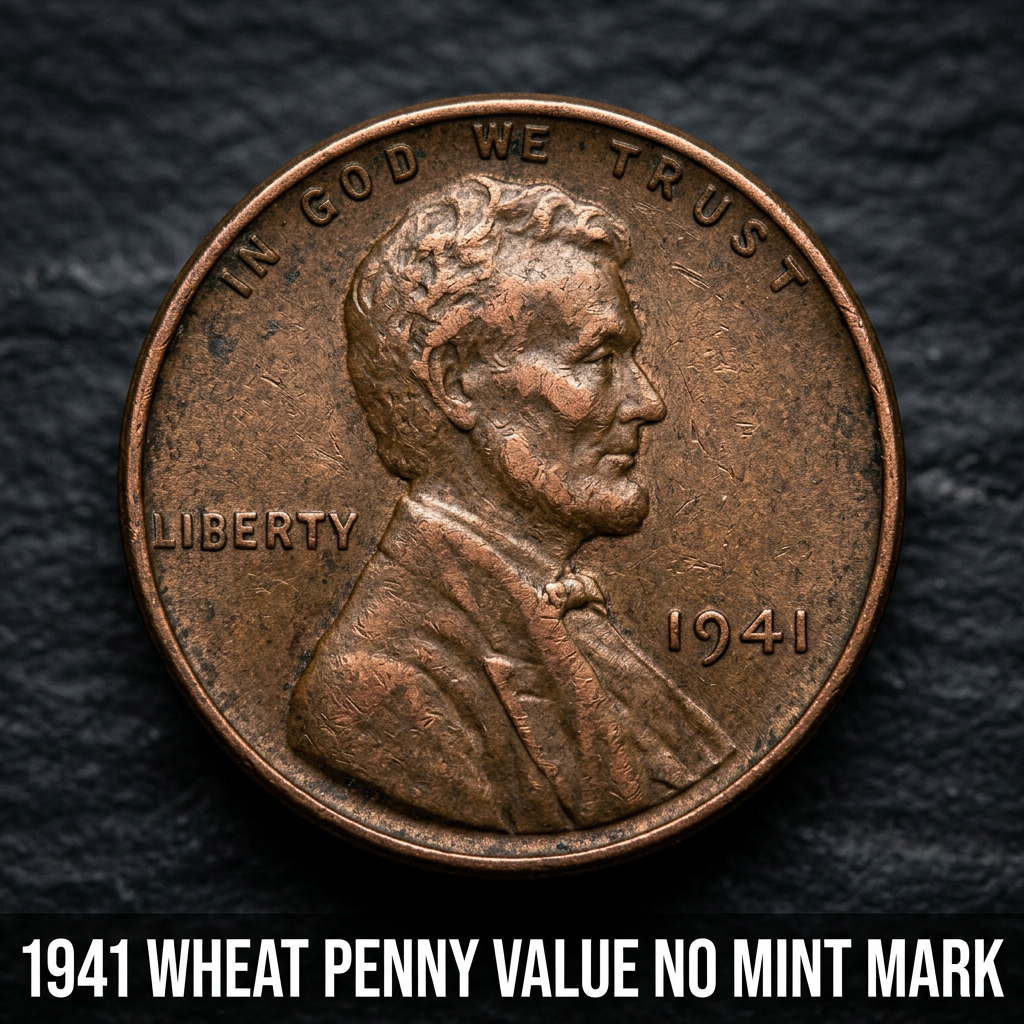

If you’ve got a 1941 Lincoln Wheat Penny with no mint mark sitting in your pocket or a jar of old coins, you’re probably wondering what it’s actually worth. The 1941 Wheat Penny (Philadelphia Mint, no mint mark) is worth anywhere from 3 cents in heavily worn condition to over $8–$15 in uncirculated grades, and top-quality examples can fetch even more from serious collectors.
What Is the 1941 Wheat Penny No Mint Mark?
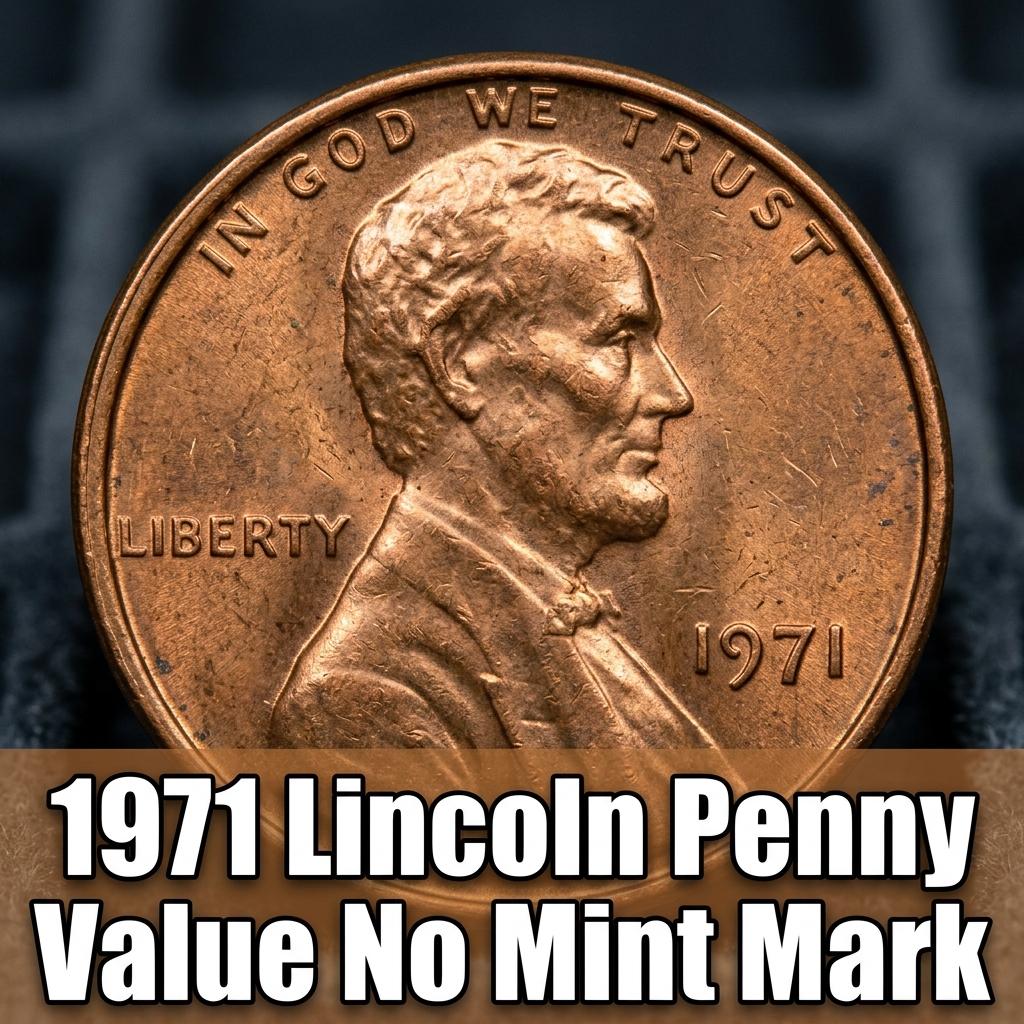
The 1941 Lincoln Wheat Penny with no mint mark was struck at the Philadelphia Mint, which was standard practice at the time — Philadelphia coins carried no mint mark designation.
This was the last full peacetime year before the United States entered World War II, and the Mint produced a staggering 887,039,100 pennies in Philadelphia alone that year. Because so many were made, these coins are common in circulated grades. However, coins in pristine, uncirculated condition are a different story entirely.
If you’re new to coin collecting and want a quick way to identify what you’ve found, a free coin identifier app can scan your coin and give you a starting point before you dive into grading and valuation.
1941 Wheat Penny No Mint Mark Value by Grade
The condition of your coin — what collectors call the “grade” — makes the biggest difference in value. A heavily worn coin might only be worth a few cents above face value, while a well-preserved example can be worth several dollars or more.
Here’s a quick look at typical values:
| Grade | Condition Description | Estimated Value |
|---|---|---|
| Good (G-4) | Heavy wear, date visible | $0.05 – $0.10 |
| Fine (F-12) | Moderate wear, clear details | $0.15 – $0.35 |
| Extremely Fine (EF-40) | Light wear on high points | $0.50 – $1.50 |
| About Uncirculated (AU-50) | Slight wear, mostly sharp | $2.00 – $4.00 |
| Mint State (MS-63) | Uncirculated, minor marks | $5.00 – $10.00 |
| Mint State (MS-65+) | Gem uncirculated, sharp luster | $15.00 – $50.00+ |
For a deeper breakdown of the 1941 Wheat Penny value across all mint marks and grades, it’s worth checking a dedicated coin pricing resource to see current market trends.
Red vs. Brown: Why Coin Color Affects Price
One thing many beginners don’t realize is that copper coins are graded not just by wear, but also by their color designation — Red (RD), Red-Brown (RB), or Brown (BN).
A 1941 Wheat Penny that still shows its original bright copper-red luster is called “Red” and commands the highest premiums. A coin that has toned to a mix of red and brown is “Red-Brown,” while fully toned coins are simply “Brown.”
For example, a gem MS-65 Red example might sell for $30–$50 or more, while the same grade in Brown might only fetch $8–$12.
CoinKnow is a great tool for understanding these color distinctions. The app walks you through what to look for on your coin and helps you understand how color affects value — something even experienced collectors sometimes overlook.
If you’re curious about proof-like specimens, which show mirror-like fields and exceptional detail, you can find detailed pricing data on 1941 Wheat Penny proof-like examples in MS Red grades through specialized coin pricing databases.
What Makes a 1941 Wheat Penny Worth More?
While most 1941 Philadelphia Wheat Pennies are worth only a small amount, certain factors can push the value significantly higher.
Full Strike and Sharp Details — Coins with fully struck wheat stalks, a sharp Lincoln portrait, and clear lettering are more desirable to collectors.
Original Luster — Any remaining mint luster (the cartwheel-like shine fresh coins have) dramatically increases value in uncirculated grades.
No Damage — Cleaned coins, holed coins, or coins that have been altered are worth far less than problem-free examples. A coin that looks shiny because someone polished it is actually worth less than one with natural brown toning.
Error Coins — Occasionally, 1941 cents turn up with doubling on the lettering or other minor mint errors. These can be worth multiples of normal values depending on the variety.
Using CoinKnow to photograph and analyze your coin can help you spot these details without needing a magnifying loupe right away.
Should You Get Your 1941 Wheat Penny Graded?
For most circulated 1941 no-mint-mark Wheat Pennies, professional grading isn’t worth the cost — grading fees typically start at $20–$30 per coin, which often exceeds the coin’s value.
However, if you believe your coin is in Mint State condition, especially Red designation, and grades MS-65 or higher, professional grading by PCGS or NGC can authenticate its quality and unlock higher collector prices.
CoinKnow can help you do a preliminary assessment at home before you spend money on professional grading services.
—
Frequently Asked Questions
Q: How do I know if my 1941 Wheat Penny has a mint mark?
A: Check the reverse side of the coin, just below the bow of the wheat stalks on the right side. If you see no letter there, your coin was made in Philadelphia. A small “D” means Denver, and an “S” means San Francisco.
Q: Is a 1941 Wheat Penny with no mint mark rare?
A: No — with nearly 887 million minted, it’s one of the most common Wheat Pennies. That said, coins in true uncirculated Red condition are harder to find and more valuable than the average worn example.
Q: Can I sell my 1941 Wheat Penny?
A: Yes. Circulated examples can be sold in bulk lots on eBay or at coin shows for a few cents each. Uncirculated coins in nice condition can sell individually to collectors for $5–$50 or more depending on grade and color. Getting a sense of current prices through a reliable pricing tool before you sell is always a smart move.