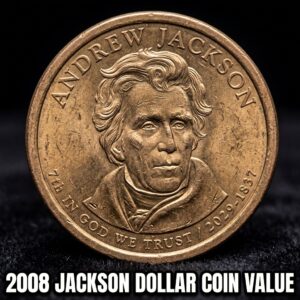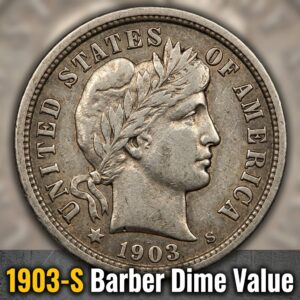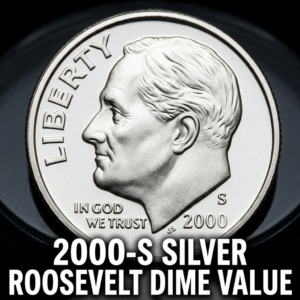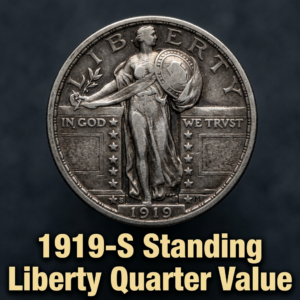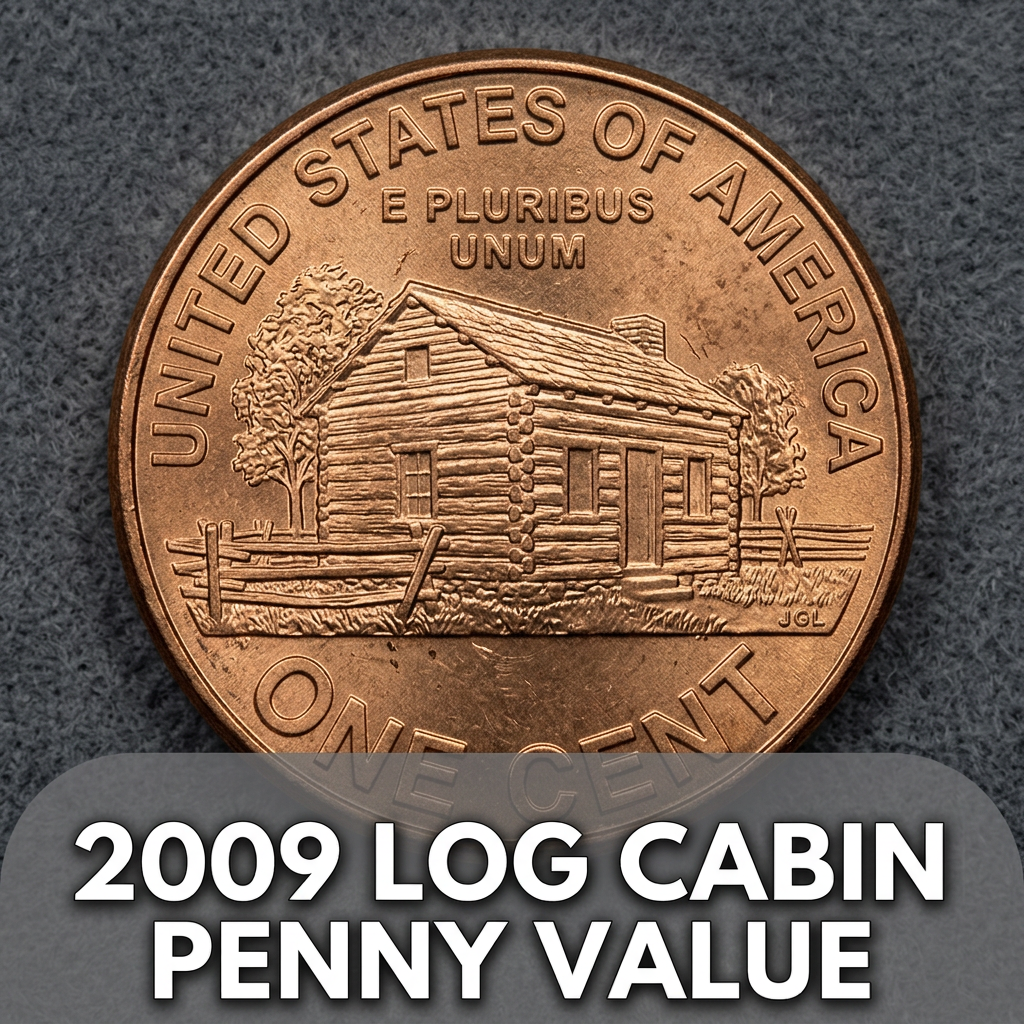

The 2009 Log Cabin Penny is worth anywhere from face value to over $20 or more in pristine uncirculated condition, with some special varieties commanding even higher prices. If you stumbled across one of these coins in your change jar or an old collection, you’re in the right place — let’s break down exactly what you’ve got.
Most people don’t realize that 2009 was a special year for Lincoln cents. The U.S. Mint released four different reverse designs to commemorate the 200th anniversary of Abraham Lincoln’s birth, and the Log Cabin design — officially known as the “Birth and Early Childhood” reverse — was the first in that series. Using a free coin identifier app is a quick way to confirm which design you’re holding and whether it’s a Philadelphia, Denver, or San Francisco mint issue.
—
What Makes the 2009 Log Cabin Penny Special
The 2009 Lincoln Penny series was unlike anything the Mint had done in decades. For the first time since 1958, the reverse of the Lincoln cent changed — and not just once, but four times in a single year. The “Birth and Early Childhood” design, featuring a small log cabin representing Lincoln’s birthplace in Kentucky, kicked off the celebration.
The design was created by sculptor Richard Masters and was struck at three mints: Philadelphia (no mintmark), Denver (D), and San Francisco (S). The San Francisco versions were issued as proof coins and satin finish coins, making them especially appealing to collectors.
Because billions of these coins were minted, circulated examples are common and generally worth only face value. But condition is everything in the coin world, and a well-preserved 2009 Log Cabin Penny can be worth significantly more.
—
2009 Log Cabin Penny Value by Mint and Grade
Here’s a breakdown of approximate values depending on where your coin was made and its condition:
| Mint / Type | Circulated | Uncirculated (MS-63) | Gem Uncirculated (MS-65+) |
|---|---|---|---|
| 2009-P (Philadelphia) | Face value | $0.30 – $1 | $5 – $15 |
| 2009-D (Denver) | Face value | $0.30 – $1 | $5 – $15 |
| 2009-S Proof | N/A | $3 – $8 | $10 – $25+ |
| 2009-P/D Satin Finish | N/A | $2 – $5 | $8 – $20+ |
For the most detailed and up-to-date grading data, you can check out certified MS-grade pricing for the 2009 Lincoln Early Childhood penny to see how values shift with each grade point.
—
How Condition Affects the 2009 Log Cabin Penny Value
This is where most collectors get tripped up. Coin grading isn’t just about whether a coin looks “new” — it’s about the preservation of fine details under magnification.
A circulated 2009 Log Cabin Penny that’s been in someone’s pocket for years will show wear on Lincoln’s cheekbone, his hair, and on the cabin’s roof lines. These coins are technically worth only one cent unless they’re in a special finish or proof format.
An uncirculated example — one that never touched the bottom of a cash register drawer — retains its original luster and sharp details. These coins grade from MS-60 all the way to MS-70, with each step up adding real dollar value. A coin graded MS-67 Red (the highest color grade for copper cents) can fetch $50 or more at auction.
CoinKnow is a great tool for beginners trying to understand grading — it walks you through what to look for and gives you a realistic value estimate right from your phone.
—
Errors and Varieties Worth Looking For
Like any year of mass coin production, 2009 Log Cabin Pennies have some known errors and varieties that can dramatically increase value.
One of the most talked-about is the doubled die obverse, where Lincoln’s portrait or the date shows a slight doubling effect. While not as dramatic as the famous 1955 doubled die penny, 2009 examples with this error can be worth $25 to $100 or more depending on the severity and grade.
Die cap errors, off-center strikes, and wrong planchet errors (coins struck on a dime or cent blank meant for another year) also occasionally turn up. If your coin looks “off” in any way — the design isn’t centered, the rim is missing on one side, or the coin weighs differently — it may be an error worth having examined.
You can get a full overview of known values and error premiums by visiting this comprehensive 2009 penny value guide that covers all four reverse types including the Log Cabin design.
—
Should You Get Your 2009 Log Cabin Penny Graded?
If your coin appears to be in excellent condition with strong luster and no visible marks, professional grading might be worth it — but only if the potential value justifies the cost. PCGS and NGC, the two top grading services, charge $20 to $50 or more per coin for standard submissions.
For most circulated 2009 Log Cabin Pennies, grading isn’t economically sensible. But if you think you have a gem-quality example or a known error, submitting it could unlock significantly higher resale prices.
Not sure where to start? CoinKnow lets you scan your coin and get an instant preliminary grade estimate before you spend money on professional services — a smart first step for any coin you think might be valuable.
—
FAQ
Q: Is the 2009 Log Cabin Penny rare?
A: Not in circulated condition — over 2.3 billion were struck between Philadelphia and Denver. However, high-grade examples, proof versions, and error coins are much harder to find and carry real collector premiums.
Q: How do I know which 2009 Lincoln penny I have?
A: Flip the coin over. The Log Cabin design shows a small one-room log cabin on the reverse. Also check for a mintmark just below the date on the obverse — “D” for Denver, “S” for San Francisco, or no mark for Philadelphia.
Q: Can I sell my 2009 Log Cabin Penny for more than face value?
A: Yes, if it’s uncirculated, a proof, a satin finish coin, or an error. Circulated examples from pocket change are generally worth one cent. Use CoinKnow or a similar app to get a quick read on your coin’s condition before listing it for sale.