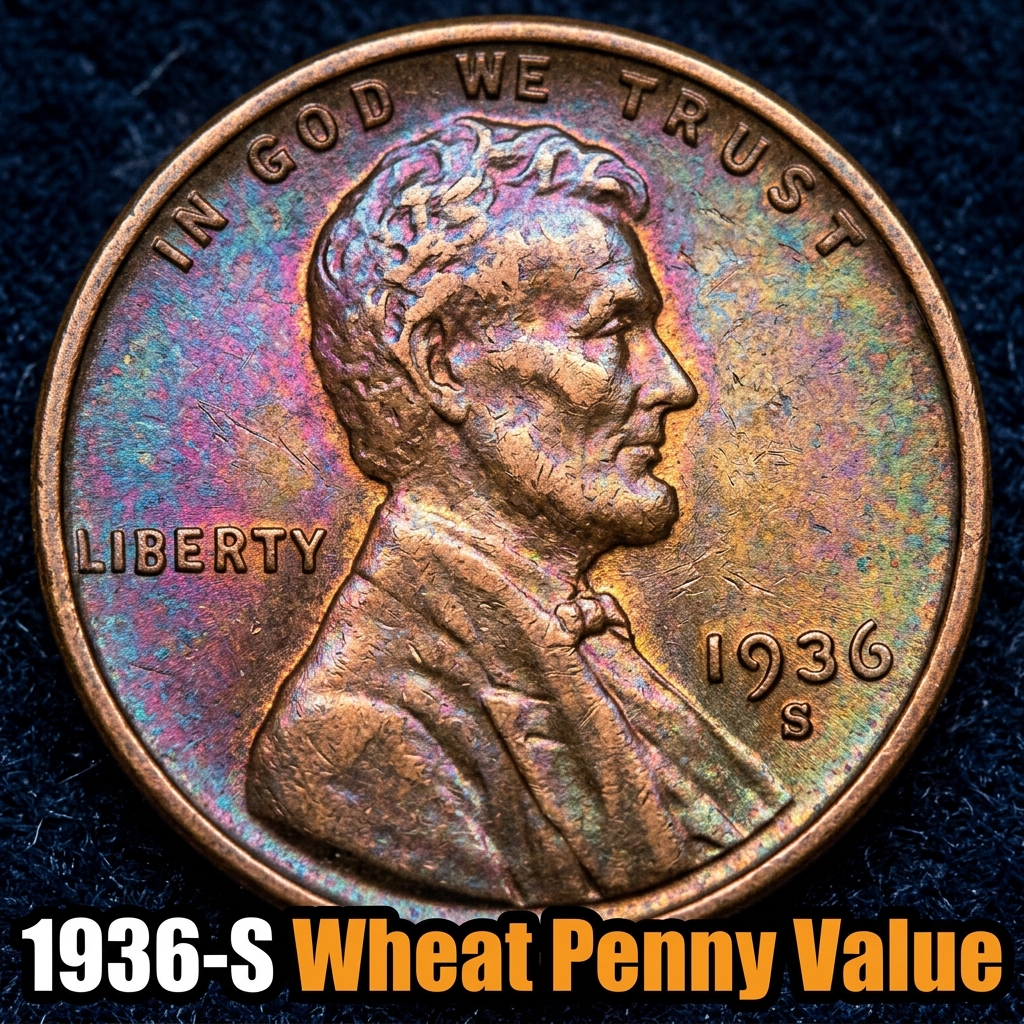

The 1936-S Wheat Penny is worth anywhere from $0.15 in heavily worn condition to over $50 or more in uncirculated mint state — and a truly pristine example can fetch hundreds of dollars at auction. If you found one of these old Lincoln cents in a jar, drawer, or inherited coin collection, you’re in the right place to find out exactly what it’s worth.
Whether you’re a first-time finder or a casual collector, knowing how to read your coin’s condition can make a big difference. A quick way to get started is by using a free coin identifier app right on your phone — just snap a photo and get an instant estimate before diving deeper.
What Is the 1936-S Wheat Penny?
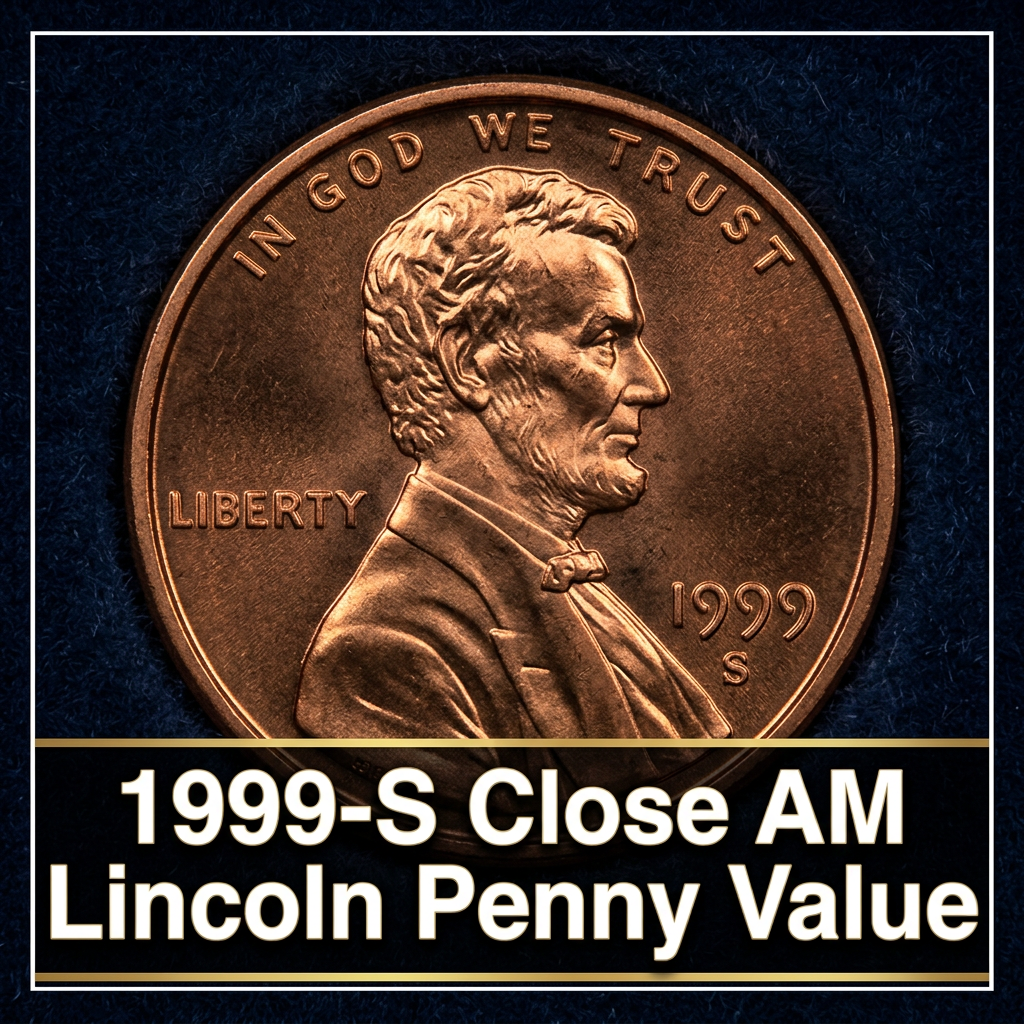
The 1936-S Wheat Penny is a Lincoln cent minted at the San Francisco Mint in 1936. The small “S” mintmark appears on the obverse (front) of the coin, just below the date. That little letter tells you a lot about where this coin came from and can influence its value significantly.
In 1936, the San Francisco Mint produced over 29 million of these cents, which makes them more common than some earlier issues — but that doesn’t mean they’re worthless. In circulated grades, they’re plentiful and affordable. But in top-tier mint state condition, especially with full red luster, they become genuinely collectible coins that serious buyers are willing to pay good money for.
The coin features the classic design by Victor David Brenner: Abraham Lincoln’s portrait on the front and two stalks of wheat on the reverse, flanking the words “ONE CENT.” This design ran from 1909 to 1958, making the entire series popular among collectors.
1936-S Wheat Penny Value by Grade
The condition of your coin — known as its “grade” — is the single biggest factor in determining its value. Coin grading runs from Poor (P-1) at the bottom to Mint State 70 (MS-70) at the top. Here’s a breakdown of typical 1936-S Wheat Penny values by grade:
| Grade | Condition Description | Estimated Value |
|---|---|---|
| Good (G-4) | Heavy wear, design visible | $0.15 – $0.25 |
| Fine (F-12) | Moderate wear, all lettering clear | $0.50 – $1.00 |
| Extremely Fine (EF-40) | Light wear on high points | $2 – $5 |
| About Uncirculated (AU-50) | Slight wear, most luster remains | $6 – $12 |
| MS-63 (Red-Brown) | Uncirculated, some toning | $15 – $25 |
| MS-65 (Full Red) | Gem uncirculated, bright red | $50 – $150+ |
For the most up-to-date market data, you can check current 1936-S Wheat Penny MS-RD price trends to see what certified examples are actually selling for right now.
How to Tell If Your 1936-S Penny Might Be Worth More
Not all 1936-S Wheat Pennies are created equal. A few things can push the value well beyond the averages shown above.
Color matters more than most people realize. Copper cents are graded by their color: Red (RD), Red-Brown (RB), or Brown (BN). A coin that retains its original bright red copper color is worth significantly more than a brown one in the same grade. If your coin still has that warm, coppery shine — even after decades — that’s a great sign.
Strike quality and luster also play a role. A sharply struck coin with full details on Lincoln’s cheek and hair, as well as full wheat stalk details on the reverse, commands a premium. Look under a magnifying glass for any softness in the design.
Errors and varieties can turn a common coin into a treasure. Known 1936 Lincoln cent varieties exist, including doubled die types and repunched mintmarks. If something looks “off” about your coin’s lettering or date, it may be worth having it examined by a professional. CoinKnow is a great tool for identifying potential varieties using just your smartphone camera.
Where to Get Your 1936-S Wheat Penny Appraised or Sold
If you think your coin is in decent or better condition, don’t just spend it or toss it in a change jar. There are several good options for getting it evaluated.
Professional grading services like PCGS (Professional Coin Grading Service) and NGC (Numismatic Guaranty Company) will authenticate and grade your coin for a fee. A graded coin in a slab is easier to sell and typically commands higher prices from serious collectors.
Local coin dealers and coin shows are great for getting a quick in-person opinion. Bring your coin in a soft flip or non-abrasive holder — never clean it, as cleaning destroys value.
Online marketplaces like eBay are useful for checking recent sold listings. Just search “1936-S Wheat Penny” and filter by “sold” to see real transaction prices.
For a convenient first step, many people now use CoinKnow to scan their coins and get instant value estimates at home — no appointment needed. You can also browse detailed 1936 penny value information by mint and grade to understand how your specific coin compares to recent sales.
Frequently Asked Questions
Q: Is a 1936-S Wheat Penny rare?
A: Not in circulated grades — over 29 million were minted, so worn examples are common. However, fully red gem-quality examples (MS-65 RD and above) are genuinely scarce and can be worth $100 or more to the right buyer.
Q: Should I clean my 1936-S Wheat Penny before selling it?
A: Absolutely not. Cleaning a coin — even with water and soap — damages the surface and destroys original luster. Collectors and dealers can spot a cleaned coin instantly, and it will be worth far less than an unclean example in the same grade. Leave it exactly as you found it.
Q: How can I tell if my coin has a mintmark?
A: Look at the front (obverse) of the coin, just below the date and to the right. The “S” mintmark on the 1936-S is small but visible with the naked eye or a basic magnifying glass. If there’s no letter, you have a Philadelphia Mint coin (no mintmark was used for Philadelphia cents in 1936). You can also use CoinKnow to zoom in and identify the mintmark automatically using your phone’s camera.