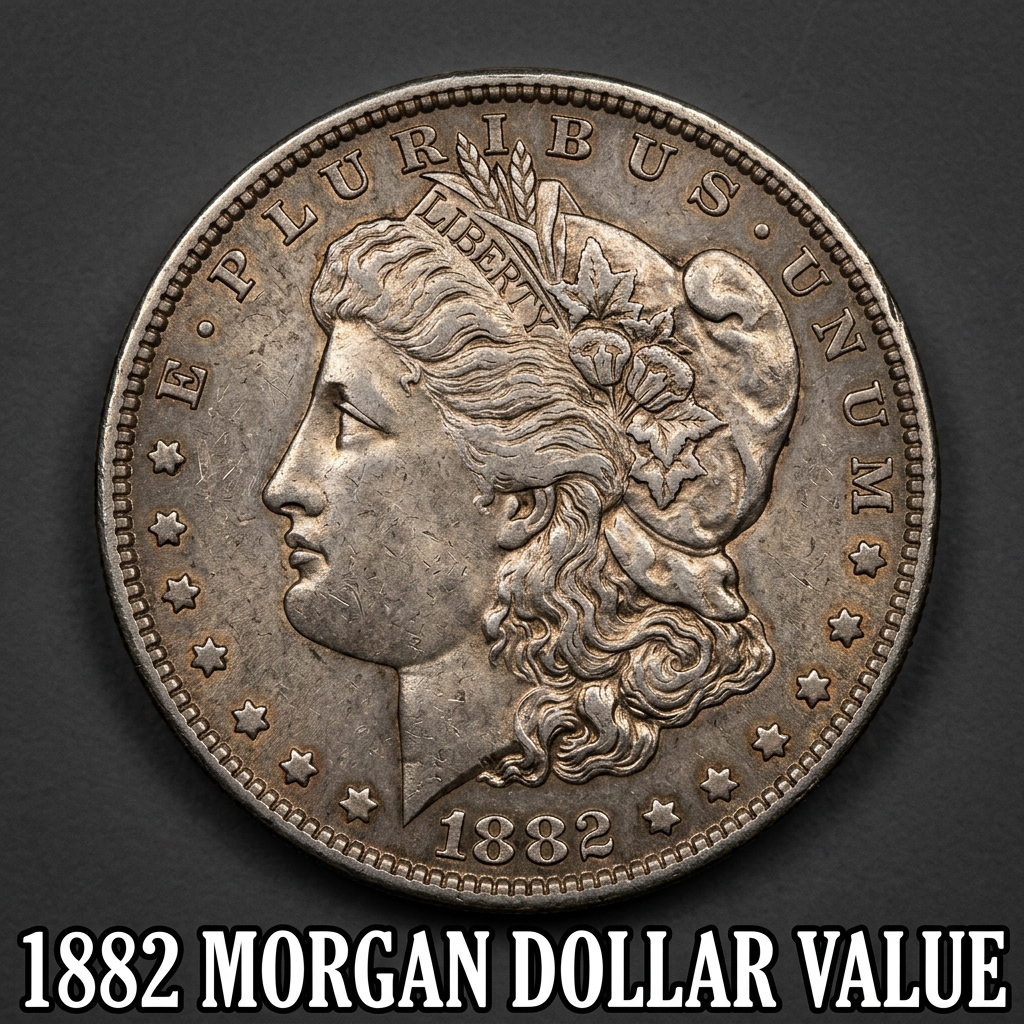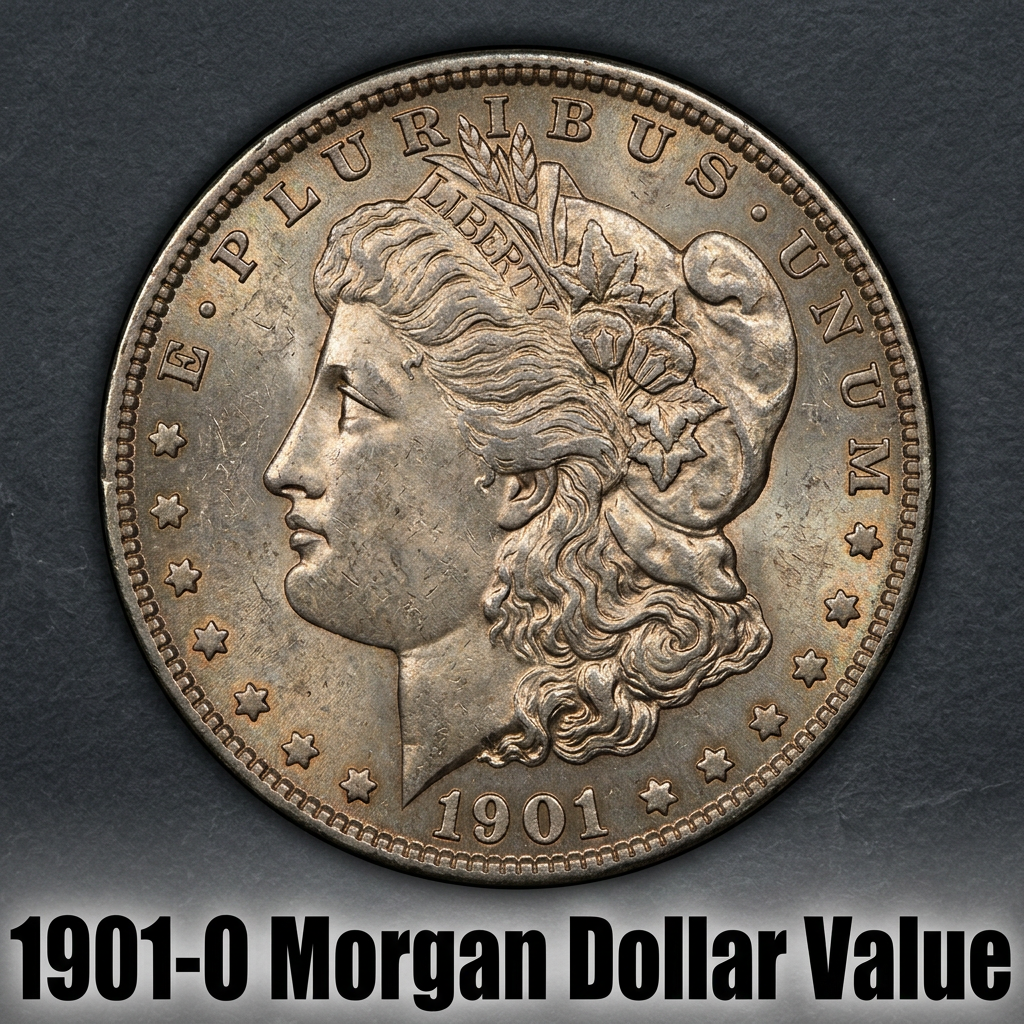

The 1901-O Morgan Dollar is worth anywhere from $30 in heavily worn condition to well over $1,000 in higher mint state grades — and depending on the coin’s luster and strike quality, certified examples have sold for several thousand dollars at auction. If you found one of these old silver dollars tucked away in a drawer or inherited collection, you may be sitting on more than you think.
Before diving in, it helps to have a reliable tool in your corner. A free coin identifier app can give you a quick starting point by scanning your coin and matching it against a large database of U.S. coinage — great for beginners who aren’t sure what they’re holding.
—
What Makes the 1901-O Morgan Dollar Special
The 1901-O Morgan Dollar was struck at the New Orleans Mint, indicated by the small “O” mintmark on the reverse just above the “DO” in “DOLLAR.” New Orleans was one of several branch mints that produced Morgan Dollars during this era, and the 1901-O had a mintage of approximately 13.3 million coins — a fairly large number.
But high mintage doesn’t always mean low value. Most of these coins circulated heavily and were worn down over decades of everyday use. Finding one in truly uncirculated condition is surprisingly difficult, which is exactly why high-grade examples command serious premiums.
The Morgan Dollar design itself — featuring Lady Liberty on the obverse and a heraldic eagle on the reverse — was created by George T. Morgan and remains one of the most beloved coins in American numismatic history.
—
1901-O Morgan Dollar Value by Grade
Coin value is largely determined by its condition, which is graded on the Sheldon scale from 1 (Poor) to 70 (Perfect Uncirculated). Here’s a general value breakdown for the 1901-O Morgan Dollar:
| Grade | Condition | Estimated Value |
|---|---|---|
| G-4 | Good | $30 – $40 |
| VG-8 | Very Good | $35 – $50 |
| F-12 | Fine | $40 – $60 |
| VF-20 | Very Fine | $50 – $75 |
| EF-40 | Extremely Fine | $65 – $100 |
| AU-55 | About Uncirculated | $100 – $175 |
| MS-63 | Mint State | $300 – $600 |
| MS-65 | Gem Mint State | $1,500 – $4,000+ |
For the most up-to-date pricing on certified examples, you can check the 1901-O Morgan Dollar MS grade price data which tracks recent auction results and retail trends.
—
How to Grade Your 1901-O Morgan Dollar at Home
You don’t need to be a professional numismatist to get a rough idea of your coin’s grade. Start by examining it under good natural lighting or a direct lamp.
Look at Liberty’s cheek and hair above the ear — these are the first areas to show wear. If the hair detail is flat or mushy and the cheek appears smooth, you’re likely looking at a circulated coin in the Fine to Very Fine range.
Next, check the eagle’s breast feathers on the reverse. Sharp, well-defined feathers suggest a higher-grade coin. If those details are worn flat, the coin is firmly in the circulated category.
CoinKnow is a handy app that lets you photograph your coin and get an instant condition estimate alongside current market values — a great first step before heading to a dealer or submitting for professional grading.
—
Silver Melt Value and What It Means for You
Even if your 1901-O Morgan Dollar is heavily worn and not particularly collectible, it still has intrinsic silver value. Morgan Dollars contain 90% silver and weigh 26.73 grams, giving each coin approximately 0.7734 troy ounces of pure silver.
With silver prices fluctuating around $28–$32 per troy ounce in recent times, the melt value alone sits in the $21–$25 range at minimum. This means even the most beat-up Morgan Dollar is rarely worth less than its silver content.
Of course, numismatic (collector) value nearly always exceeds melt value for coins in decent condition, making it worthwhile to properly identify and grade your coin before selling. You can explore the full 1901 silver dollar value breakdown including condition and mintmark variations to better understand where your specific coin falls.
—
Should You Clean or Sell Your 1901-O Morgan Dollar?
This is one of the most common mistakes new collectors make — cleaning an old coin in hopes of making it look nicer. Please don’t do it.
Cleaning a coin removes the original surface patina, which professional graders can immediately detect. A cleaned coin is typically worth significantly less than one with original, natural toning — even if the cleaned version looks shinier to the naked eye.
If you’re thinking about selling, consider getting a professional appraisal first. CoinKnow can help you quickly assess whether your coin is worth the cost of professional grading through PCGS or NGC, which can dramatically increase buyer confidence and resale value.
Local coin dealers, coin shows, and online platforms like eBay or Heritage Auctions are all solid options for selling once you know what you have.
—
FAQ
Q: How do I know if my Morgan Dollar is from the New Orleans Mint?
A: Look on the reverse side of the coin, just above the “DO” in “DOLLAR.” If you see a small letter “O,” your coin was minted in New Orleans. No mintmark means it came from the Philadelphia Mint.
Q: Is the 1901-O Morgan Dollar rare?
A: In circulated grades, it’s quite common. However, in grades of MS-64 and above, it becomes genuinely scarce and highly sought after by collectors, which is why gem examples can sell for thousands of dollars.
Q: Where’s the best place to sell a 1901-O Morgan Dollar?
A: Your best options are a reputable local coin dealer, a certified auction house like Heritage or Stack’s Bowers, or online marketplaces. Using CoinKnow beforehand gives you a solid idea of your coin’s current market value so you don’t sell for less than it’s worth.