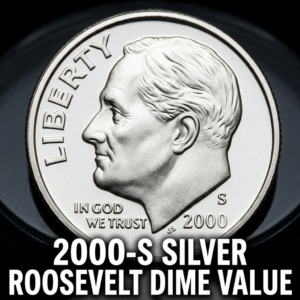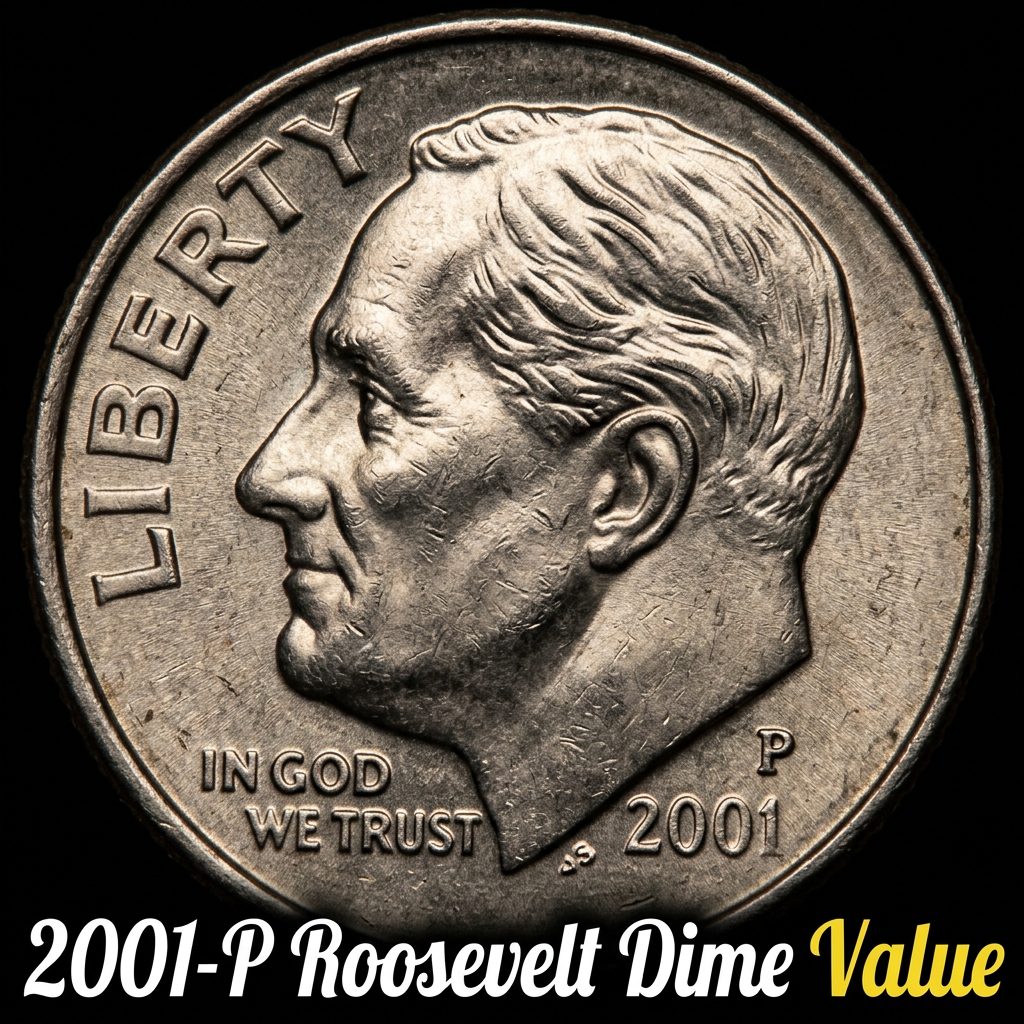

The 2001-P Roosevelt Dime is worth face value in circulated condition — just 10 cents — but uncirculated examples can fetch anywhere from $1 to over $15 depending on their grade and strike quality. If you found one in your change jar or pocket, here’s what you need to know about its true worth.
—
What Is the 2001-P Roosevelt Dime?
The 2001-P Roosevelt Dime was struck at the Philadelphia Mint, and the “P” mintmark confirms that origin. Philadelphia produced hundreds of millions of these dimes that year, making them among the most common modern coins in circulation.
If you’re not sure how to identify the mintmark or grade your coin, a free coin identifier app can help you figure out exactly what you have in seconds. Tools like CoinKnow are especially popular for beginners who want quick, accurate results without digging through price catalogs.
Because of the high mintage, most circulated 2001-P dimes aren’t going to make you rich. But don’t toss them aside just yet — condition is everything in coin collecting, and a gem-quality example is a different story altogether.
—
2001-P Roosevelt Dime Value by Grade
Here’s a quick look at how condition affects the value of a 2001-P Roosevelt Dime:
| Grade | Condition Description | Estimated Value |
|---|---|---|
| Good (G-4) | Heavy wear, flat design | $0.10 |
| Fine (F-12) | Moderate wear, major details visible | $0.10 |
| Extremely Fine (EF-40) | Light wear on high points | $0.25 – $0.50 |
| Mint State (MS-63) | Uncirculated, some contact marks | $1 – $3 |
| Gem Mint State (MS-65) | Sharp strike, minimal marks | $5 – $15+ |
| MS-67 or Higher | Near-perfect, certified grade | $20 – $100+ |
For the most up-to-date figures, you can check the latest 2001-P Roosevelt Dime prices in mint state grades to see how recent auction results compare.
—
What Makes a 2001-P Dime More Valuable?
Most people assume that newer coins aren’t worth collecting, but that’s not entirely true. A few factors can push a 2001-P Roosevelt Dime well above face value.
Strike quality is the biggest one. Roosevelt Dimes are known for sometimes coming out of the Mint with weak or incomplete strikes, especially on Roosevelt’s cheek and hair details. A coin with a strong, fully struck design is far more desirable to collectors.
Surface preservation matters just as much. Even an uncirculated coin can lose value if it has bag marks, scratches, or poor luster from improper storage. Coins that have been sitting loose in a jar for 20 years are unlikely to grade high.
Full Bands (FB) designation is another value booster. On Roosevelt Dimes, the horizontal bands on the torch should be sharply divided. Coins certified as “Full Bands” by PCGS or NGC can be worth significantly more than standard examples.
—
How Mintage Affects the 2001-P Dime’s Worth
The Philadelphia Mint produced approximately 4.95 billion dimes in 2001. Yes, billion with a B. That’s an enormous number, and it’s the primary reason why average circulated examples are essentially worth only their face value.
High mintage means there’s no scarcity driving up prices for worn coins. Collectors simply don’t need to pay a premium for something they can easily find elsewhere.
That said, finding a pristine, uncirculated example in a high grade is still relatively uncommon because most coins eventually circulate and show wear. If you believe your 2001-P dime looks brand new, it’s worth getting a second opinion.
You can explore a detailed breakdown of 2001 dime values across all mint marks and grades to see how the Philadelphia version compares to the Denver-minted 2001-D dime.
Using CoinKnow is another smart move here — the app lets you scan your coin and get an instant grade estimate, which can help you decide whether it’s worth submitting to a professional grading service.
—
Should You Get Your 2001-P Dime Graded?
Professional grading through PCGS or NGC is generally only worth the cost if your coin has a realistic chance of grading MS-66 or higher. Grading fees typically start around $20–$30 per coin, which means you need a coin that’s actually worth more than that to justify the expense.
For a 2001-P dime, that means your coin should look absolutely flawless under good lighting — no marks, no discoloration, sharp strike with clean torch bands.
If you’re unsure, run it through CoinKnow first. It can give you a rough grade estimate at home before you spend money on professional services. Thousands of everyday coin hunters use apps like this to separate the diamonds from the duds in their old coin collections.
—
FAQ
Q: Is a 2001-P Roosevelt Dime rare?
A: No, it’s one of the most common modern coins in existence. With nearly 5 billion struck, circulated examples are worth only face value. However, high-grade uncirculated specimens can still carry a small premium.
Q: What does the “P” mintmark mean on a 2001 dime?
A: The “P” stands for Philadelphia, meaning the coin was made at the Philadelphia Mint. Philadelphia began using the “P” mintmark on dimes starting in 1980. A 2001 dime without a mintmark would be a mint error worth investigating.
Q: How do I know if my 2001-P dime is uncirculated?
A: Look for original luster — a bright, slightly cartwheel-like shine across the coin’s surface. Circulated coins will have flat, dull surfaces with wear on the high points like Roosevelt’s cheek, hair, and the torch’s bands. If you’re still unsure, a coin grading app can help you assess it quickly.