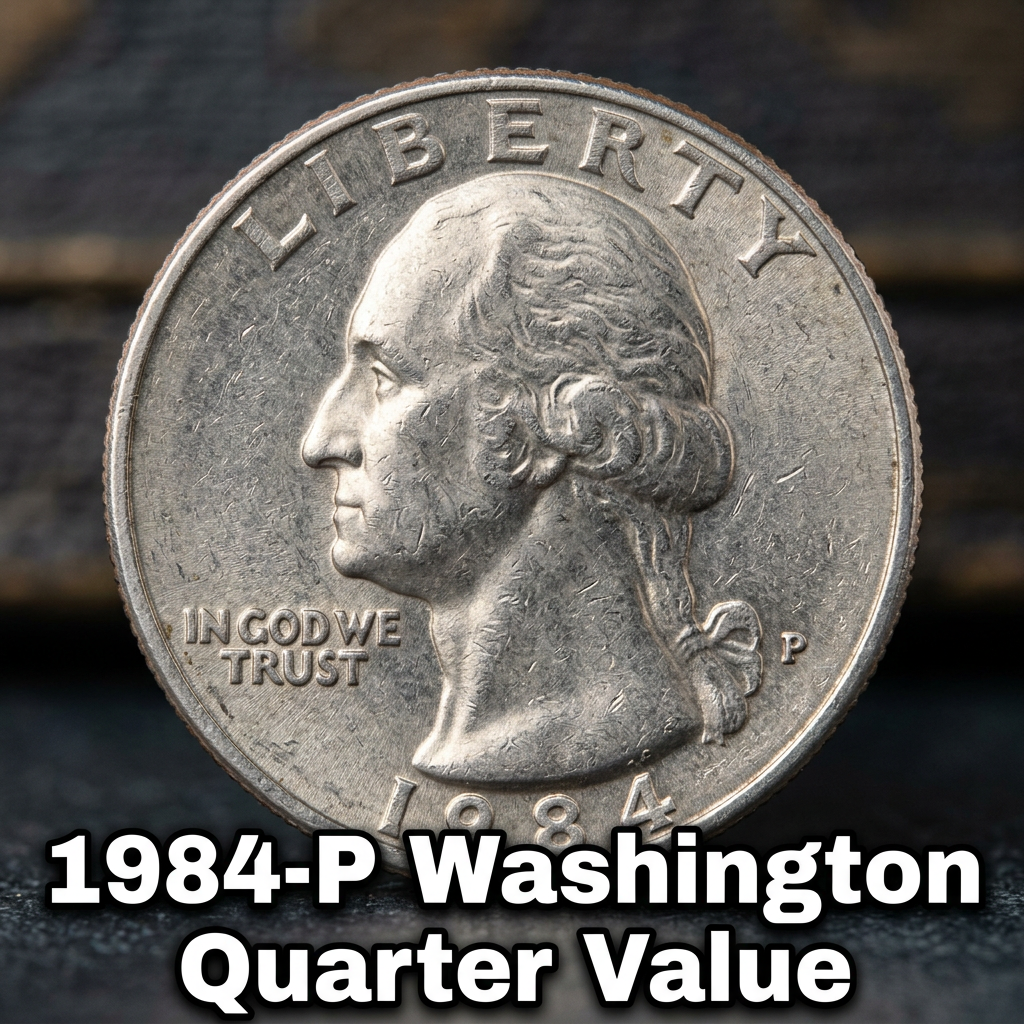

The 1984-P Washington Quarter is worth anywhere from 25 cents in heavily circulated condition to around $6–$10 in average uncirculated grades, with top mint state examples occasionally reaching $20 or more. If you found one in your pocket change or a jar of old coins, here’s everything you need to know about what it’s worth.
If you’re not sure what you’re looking at, a free coin identifier app can help you quickly figure out what coin you have before you dive into the value details. Tools like CoinKnow make it easy for everyday collectors and beginners to identify coins and get instant value estimates right from their phones.
—
What Is the 1984-P Washington Quarter?
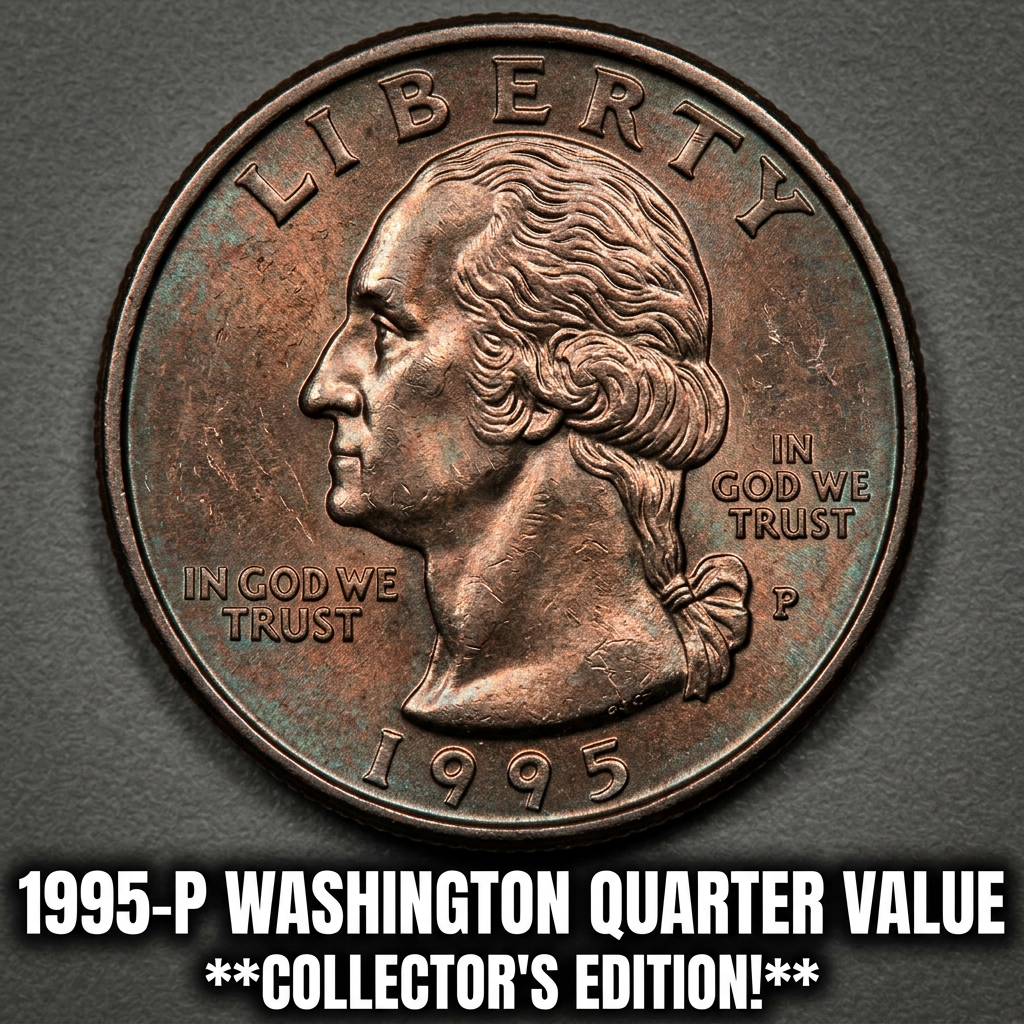
The 1984-P Washington Quarter was minted at the Philadelphia Mint, which is why it carries the “P” mint mark on the obverse (front) of the coin, just to the right of Washington’s portrait.
In 1984, the Philadelphia Mint produced over 676 million of these quarters, making it one of the more common dates in the Washington Quarter series. Because so many were made, most worn examples you find in circulation aren’t going to make you rich — but that doesn’t mean they’re worthless.
The coin is made of a copper-nickel clad composition, introduced in 1965 when silver was removed from circulation coins. The design features John Flanagan’s classic portrait of George Washington on the front and a heraldic eagle on the reverse.
—
1984-P Washington Quarter Value by Grade
The condition of a coin — known as its “grade” — has the biggest impact on value. A coin that looks like it just left the mint is worth far more than one that’s been jingling around in pockets for 40 years.
Here’s a quick breakdown of typical values:
| Grade | Description | Estimated Value |
|---|---|---|
| Good (G-4) | Heavy wear, design mostly flat | Face value ($0.25) |
| Fine (F-12) | Moderate wear, some detail visible | $0.25–$0.50 |
| Extremely Fine (EF-40) | Light wear on high points | $0.50–$1.00 |
| Mint State (MS-63) | Uncirculated, minor marks | $4–$6 |
| Mint State (MS-65) | Gem uncirculated, sharp and lustrous | $8–$15 |
| Mint State (MS-67) | Superb gem, virtually perfect | $20–$50+ |
For the most up-to-date figures, you can check out the 1984-P Washington Quarter MS grade price data to see how certified examples are trading across different mint state levels.
—
Are Any 1984-P Quarters Valuable Errors?
Here’s where things can get exciting. While the standard 1984-P quarter isn’t a big-money coin, error coins from this year can be worth significantly more.
Some known error types to look for include:
Doubled Die Obverse — Look closely at the lettering and Washington’s portrait under magnification. If letters or features appear doubled or slightly offset, you may have a valuable doubled die variety.
Off-Center Strikes — If part of the design is missing because the planchet wasn’t centered under the die during striking, that’s an off-center error. Depending on how far off-center it is, these can sell for $10 to $100 or more.
Die Cracks and Cuds — These are raised lines or blobs on the coin’s surface caused by a cracked or damaged die. Minor die cracks add little value, but dramatic cuds (broken chunks of the die) can be worth $25–$75 to the right collector.
If you suspect you’ve got an error coin, using CoinKnow can help you compare your coin to known error examples before spending money on a professional appraisal.
—
How to Tell If Your 1984 Quarter Is Worth More
The easiest way to start is by checking a few things at home:
First, look for the mint mark. A “P” on the obverse means Philadelphia; a “D” means Denver. Both were produced in 1984, but values can differ slightly.
Second, check the coin’s overall condition. Hold it at an angle under a good light. A coin with full luster and no scratches or bag marks is in far better shape — and worth more — than one that looks dull or dinged up.
Third, weigh it. A standard clad quarter weighs 5.67 grams. If yours weighs significantly different, it could be an error or a different composition entirely.
For a thorough look at what your 1984 quarter is worth based on condition and mint mark, dedicated coin price resources can walk you through grading in plain language without needing to be an expert.
—
Should You Get It Graded?
Professional grading by a service like PCGS or NGC makes sense when a coin is potentially worth $25 or more in raw (ungraded) condition. For a typical circulated 1984-P quarter, the grading fee would cost more than the coin is worth.
However, if you believe you have a high-grade gem or a notable error, professional grading can dramatically increase what a buyer is willing to pay — and gives you protection against counterfeits.
CoinKnow is a great first step before committing to professional grading. It gives you a quick, reliable estimate so you’re not flying blind.
—
FAQ
Q: Is the 1984-P Washington Quarter made of silver?
A: No. The 1984-P quarter is made of a copper-nickel clad composition. Silver was removed from circulating U.S. quarters after 1964. Only special proof and collector sets contain silver versions, and those would be clearly marked.
Q: How many 1984-P quarters were minted?
A: The Philadelphia Mint produced approximately 676,545,000 quarters in 1984, making it a very common date. The high mintage is one reason most circulated examples are only worth face value.
Q: What’s the most a 1984-P quarter has ever sold for?
A: In top certified grades like MS-67 or higher, a 1984-P Washington Quarter can sell for $50 to several hundred dollars at auction, especially with a strong strike designation. Error coins with dramatic off-center strikes or doubled dies have also fetched similar premiums from the right buyers.