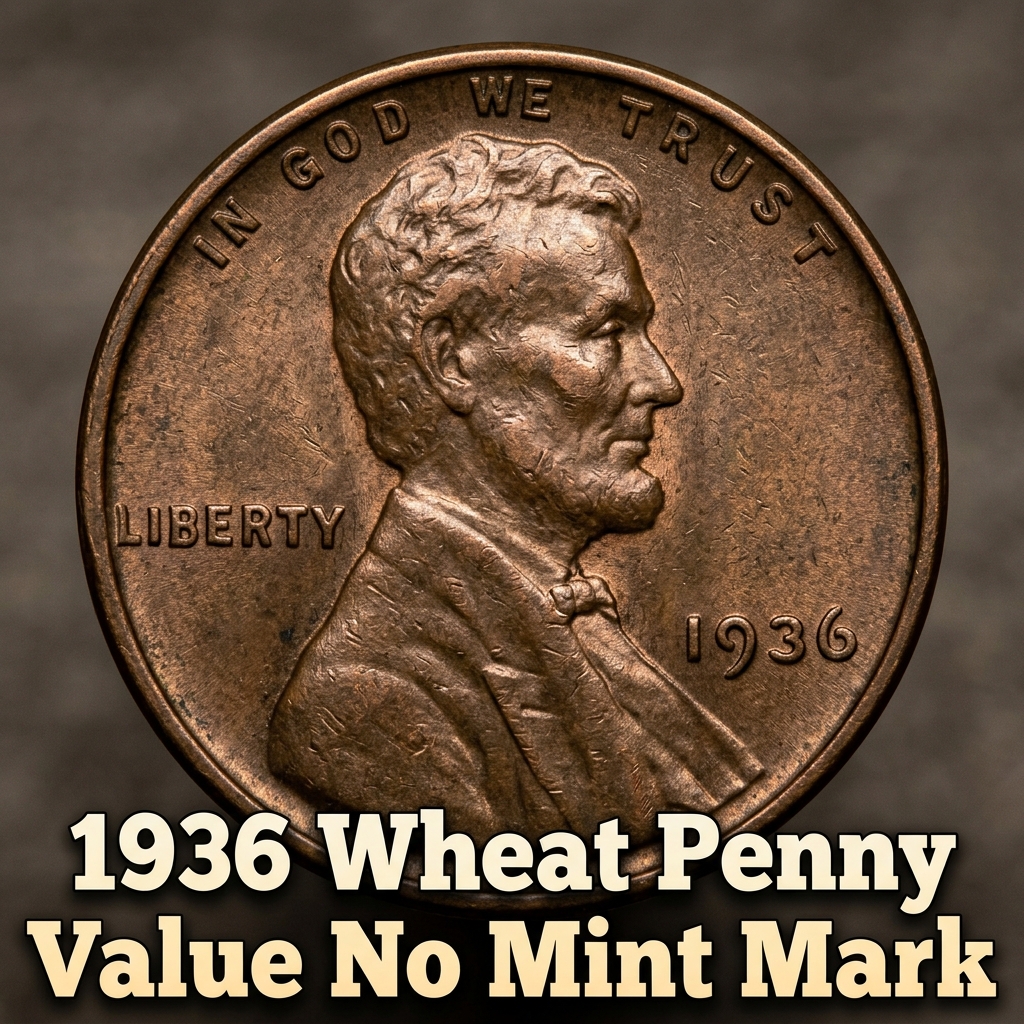

The 1936 Wheat Penny with no mint mark is worth anywhere from $0.10 in heavily worn condition to over $10 in well-preserved circulated grades — and in mint state, certified examples can fetch $25 or more. If you’ve found one of these old Lincoln cents in a drawer or a jar of old coins, you’re in the right place to find out exactly what it’s worth.
What Does “No Mint Mark” Mean on a 1936 Penny?
When a coin has no mint mark, it means it was struck at the Philadelphia Mint — the oldest and most prolific mint in U.S. history. In 1936, the Philadelphia Mint produced over 309 million Lincoln Wheat Pennies, making this one of the more common dates in the series.
That said, common doesn’t mean worthless. Condition is everything when it comes to coin values, and a well-preserved 1936 no mint mark penny can still be a solid find.
If you’re not sure what you’re looking at, a free coin identifier app can help you quickly figure out what you have, including the grade range and estimated value — no magnifying glass required.
1936 Wheat Penny Value by Grade
The value of a 1936 Wheat Penny (Philadelphia, no mint mark) depends heavily on its condition. Here’s a breakdown of typical market values:
| Grade | Condition Description | Estimated Value |
|---|---|---|
| Good (G-4) | Heavy wear, outline visible | $0.10 – $0.25 |
| Fine (F-12) | Moderate wear, lettering clear | $0.50 – $1.00 |
| Extremely Fine (EF-40) | Light wear on high points | $2.00 – $5.00 |
| About Uncirculated (AU-58) | Slight wear, most luster present | $6.00 – $12.00 |
| Mint State (MS-63) | No wear, minor contact marks | $15.00 – $30.00 |
| Mint State Red (MS-65 RD) | Fully original red luster, gem quality | $50.00 – $100+ |
For the most up-to-date auction records and certified sale prices, you can check recent 1936 Wheat Penny MS-RD price data from certified coin sales — it’s a great resource if you want real market numbers.
What Makes Some 1936 Pennies Worth More?
Color designation is a big deal for mint state Lincoln cents. PCGS and NGC — the two leading coin grading services — classify copper cents into three categories: Red (RD), Red-Brown (RB), and Brown (BN).
A 1936 Wheat Penny graded MS-65 Red (RD) can be worth ten times more than the same grade in Brown. That’s because original red copper luster is rare after 88+ years — most coins have naturally toned brown over time.
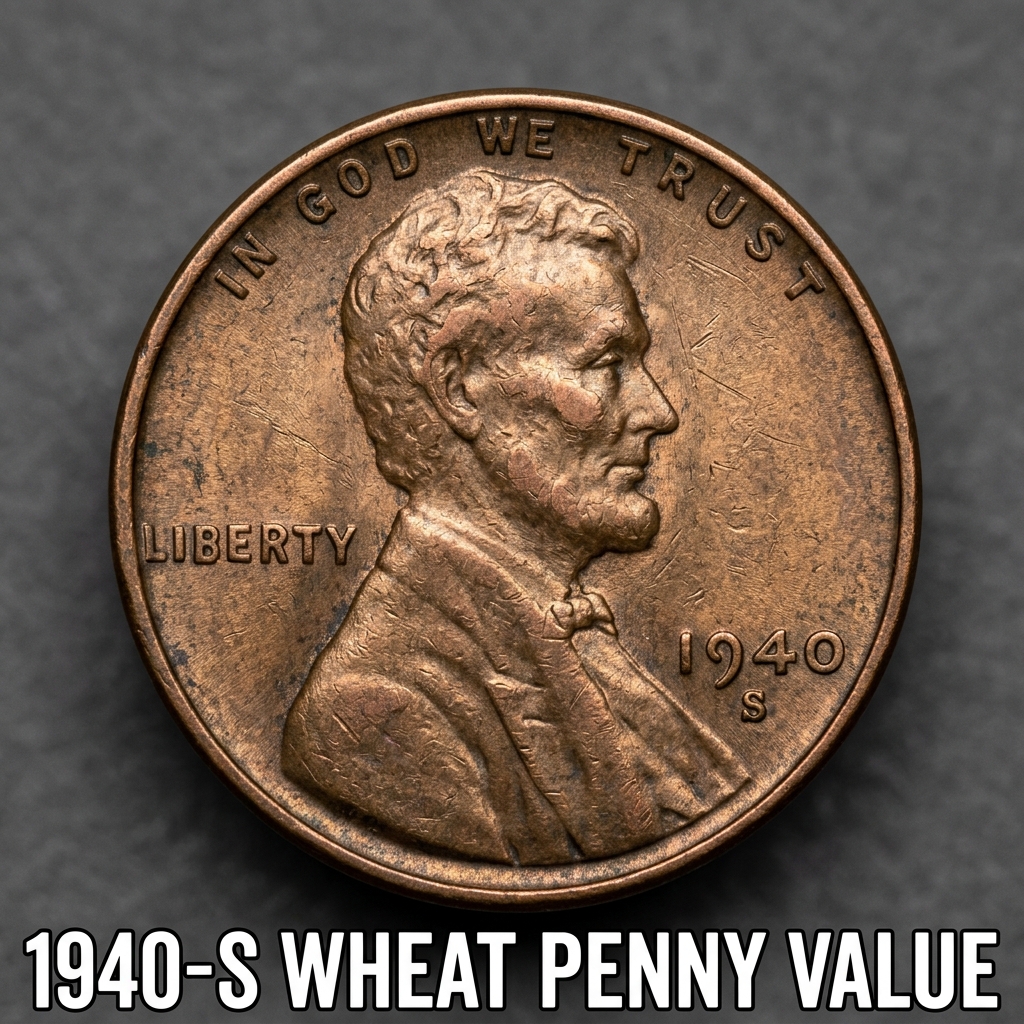
Beyond color, look for sharp strike details. Lincoln’s hair strands, the wheat stalks on the reverse, and the clarity of “IN GOD WE TRUST” all contribute to a coin’s eye appeal and grade. Coins that were saved right from the mint and never touched a pocket tend to score the highest grades.
CoinKnow is a handy app that helps everyday collectors understand these grading differences without needing to be an expert. It explains what details graders look for and gives you a realistic value range based on your coin’s condition.
Are There Any Valuable 1936 Penny Errors?
Yes — error coins are where things get really exciting. A standard 1936 no mint mark penny might be worth a dollar or two, but a mint error example can be worth hundreds.
Some errors to look for include:
Doubled die obverse — Look closely at the lettering and Lincoln’s portrait under magnification. If you see doubling in “LIBERTY” or the date, you may have a scarce variety.
Off-center strikes — When the design is shifted noticeably off-center (10% or more), these fetch a strong premium from error collectors.
Broadstruck coins — These were struck without a collar, giving the coin an expanded, slightly larger appearance.
If you think you’ve spotted an error, CoinKnow can help you compare your coin’s features to known varieties before you invest in a professional appraisal.
Should You Clean or Sell Your 1936 Wheat Penny?
Here’s a word of caution: never clean an old coin. Even light polishing destroys the surface and strips the original patina — instantly reducing the value by 50% to 80% in the eyes of serious collectors. A naturally toned brown penny is far more desirable than a shiny, cleaned one.
If you’re thinking about selling, you have a few options: local coin dealers, online auction sites like eBay, or dedicated coin platforms. For coins in higher grades (EF or better), getting it certified by PCGS or NGC adds credibility and often results in a better sale price.
For a full breakdown of what your specific coin might be worth, the detailed 1936 Penny value guide at CoinValueApp covers all mint marks and grades in one easy-to-read format.
FAQ
Q: How do I know if my 1936 penny has no mint mark?
A: Look at the obverse (front) of the coin, just below the date. If you see no letter there, it was minted in Philadelphia and is considered a “no mint mark” coin. A “D” indicates Denver and an “S” means San Francisco.
Q: Is a 1936 Wheat Penny with no mint mark rare?
A: Not particularly — over 309 million were made. But rarity isn’t the only factor in value. Condition, color grade, and the presence of errors all play a big role. A common date in gem mint state can still be quite valuable.
Q: What’s the best way to find out if my 1936 penny is worth anything?
A: Start by examining the condition and looking for any errors. You can use CoinKnow to get a quick estimate based on grade and mint mark, then compare against recent sales data for a realistic market value before deciding whether to hold, grade, or sell it.