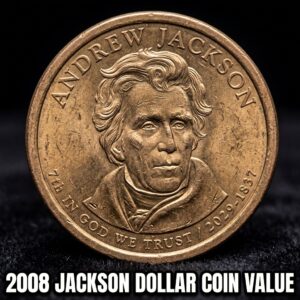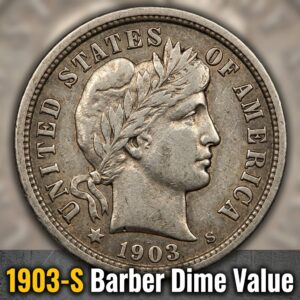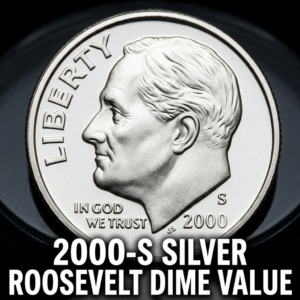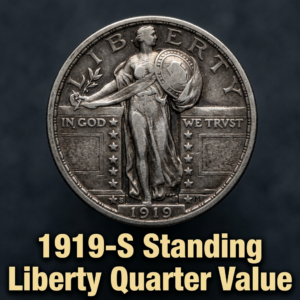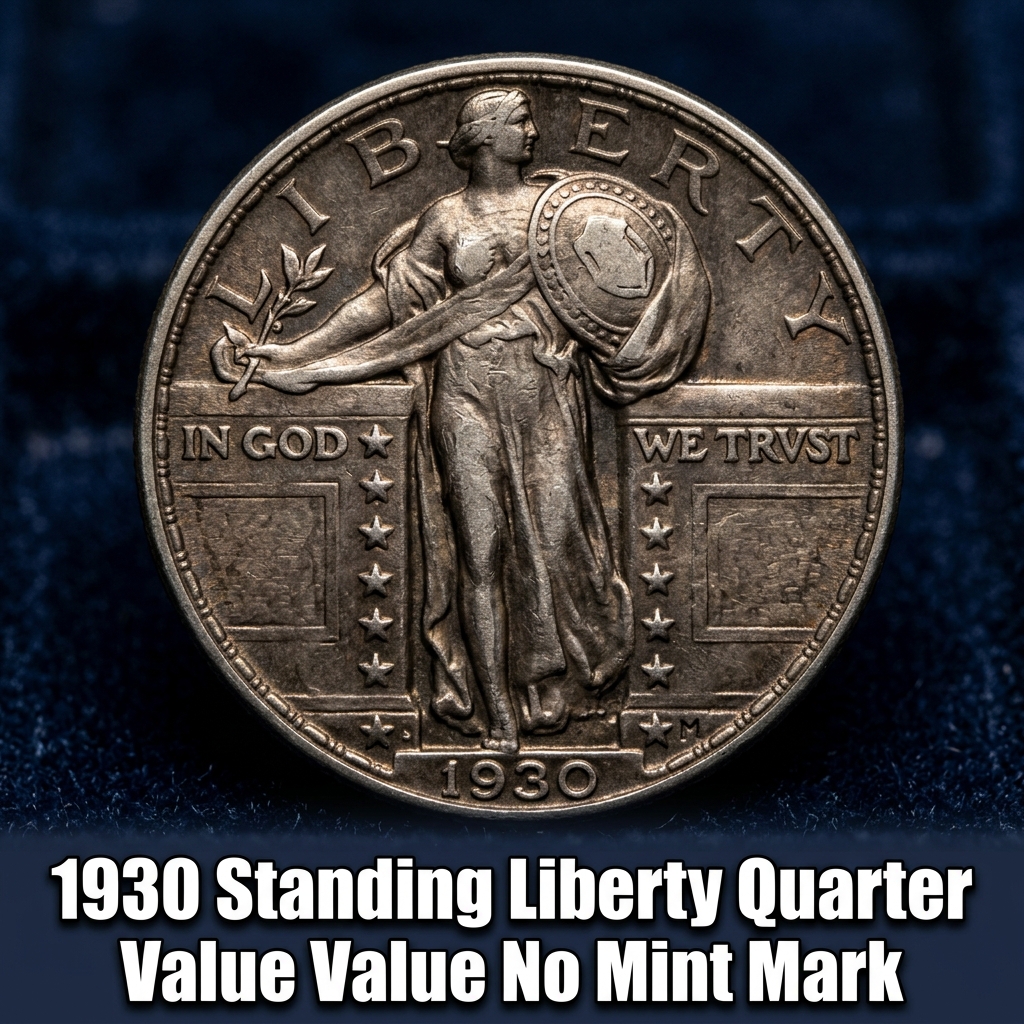

The 1930 Standing Liberty Quarter is worth anywhere from $6 in heavily worn condition to over $200 or more in uncirculated mint state grades. If you recently found one of these coins in an old collection or at the bottom of a drawer, you’re in the right place — let’s break down exactly what it’s worth and what to look for.
If you’re not sure what coin you’re holding, try using a free coin identifier app to quickly identify it before diving into the value guide below. It takes just a few seconds and can save you a lot of guesswork.
What Is the 1930 Standing Liberty Quarter?
The 1930 Standing Liberty Quarter was minted at the Philadelphia Mint, which is why coins from this year with no mint mark are so common — Philadelphia never used a mint mark during this era. The coin was designed by Hermon Atkins MacNeil and features Lady Liberty standing in a gateway, with an eagle in flight on the reverse.
This design was produced from 1916 to 1930, making the 1930 issue one of the very last of its kind. That historical significance alone makes it interesting to collectors.
The 1930 no mint mark quarter had a mintage of 5,632,000 coins — a moderate figure. It’s not a rare coin, but it’s not a throwaway either. The condition your coin is in will make a massive difference in its value.
How Much Is the 1930 Standing Liberty Quarter Worth?
Value depends almost entirely on the coin’s grade — meaning how much wear it shows. A coin that’s been heavily circulated will show flat details, especially on Liberty’s head and the eagle’s feathers. A mint state coin, on the other hand, will have sharp, defined lines and a natural luster.
Here’s a general value breakdown for the 1930 Philadelphia (no mint mark) Standing Liberty Quarter:
| Grade | Condition Description | Estimated Value |
|---|---|---|
| Good (G-4) | Heavy wear, flat design | $6 – $8 |
| Fine (F-12) | Moderate wear, some detail | $10 – $15 |
| Extremely Fine (EF-40) | Light wear on high points | $30 – $45 |
| About Uncirculated (AU-55) | Slight wear, most luster present | $60 – $90 |
| Mint State (MS-63) | No wear, some contact marks | $120 – $175 |
| Mint State (MS-65) | Gem quality, strong luster | $200 – $350+ |
For more detailed and up-to-date pricing across all grades, you can check out this full 1930 Standing Liberty Quarter price chart by grade, which breaks it down even further.
Key Things That Affect Your Coin’s Value
One of the most important details on any Standing Liberty Quarter is the date. On many heavily worn coins, the date wears away completely because it was set low on the design. A coin with a clearly readable “1930” is worth significantly more than one with a faded or missing date.
Liberty’s head is another major grading point. On well-struck, higher-grade coins, you can see the individual rivets on her chain mail vest. If those details are sharp and visible, your coin is likely in better condition.
Strike quality also plays a role. Some 1930 quarters came weakly struck from the mint, even without showing circulation wear. CoinKnow can help you understand strike quality differences when you scan your coin — it gives you an instant grade estimate based on the coin’s visible details.
How to Tell If Your 1930 Quarter Is Valuable
Start by looking at the coin under good lighting — natural daylight or a desk lamp works well. Tilt the coin slightly to catch the light at different angles. Look for:
– Sharp, defined feathers on the eagle’s wings
– A clear, fully readable date
– Original silver luster (a soft, flowing shine — not dull gray)
– No scratches, cleaning marks, or spots
Cleaning is a huge value-killer in coin collecting. Even if a coin looks “shinier” after cleaning, collectors and dealers will pay far less for it. If your 1930 quarter has original, untouched surfaces, keep it that way.
You can also run a quick check using CoinKnow, which lets you photograph your coin and get an instant assessment of its likely grade and estimated value. It’s especially helpful if you’re new to coin grading.
For a complete look at what your 1930 Standing Liberty Quarter is worth in today’s market, including both circulated and uncirculated examples, that resource gives you a solid reference point before you decide to sell or hold.
Should You Sell or Keep Your 1930 No Mint Mark Quarter?
If your coin is heavily worn and grades in the Good to Fine range, it’s worth a modest amount — around $6 to $15. That’s still a nice return on something sitting in a drawer for decades.
If your coin shows sharp details, a readable date, and original luster, you may be sitting on something worth $100 or more. In that case, it’s worth getting a professional opinion or even a certified grade from PCGS or NGC before selling.
Either way, knowledge is your best tool. Use CoinKnow to get a starting point, compare against current market data, and make an informed decision. The 1930 Standing Liberty Quarter is a beautiful piece of American history — and it’s worth knowing exactly what you have.
—
Frequently Asked Questions
Q: How do I know if my 1930 quarter has no mint mark?
A: Look on the obverse (front) of the coin, just above and to the left of the date. Philadelphia-minted coins have no mint mark at all. If you see an “S,” it’s from San Francisco, which has its own separate value.
Q: Is a 1930 Standing Liberty Quarter made of silver?
A: Yes. All Standing Liberty Quarters are made of 90% silver and 10% copper. Even a heavily worn example contains about 0.1808 troy ounces of silver, giving it a base melt value tied to the current silver spot price.
Q: Why is the date missing on some 1930 quarters?
A: The date was positioned in a recessed area of the design that wore down quickly with circulation. A coin with a fully visible date is more desirable and generally worth more than one with a weak or missing date.